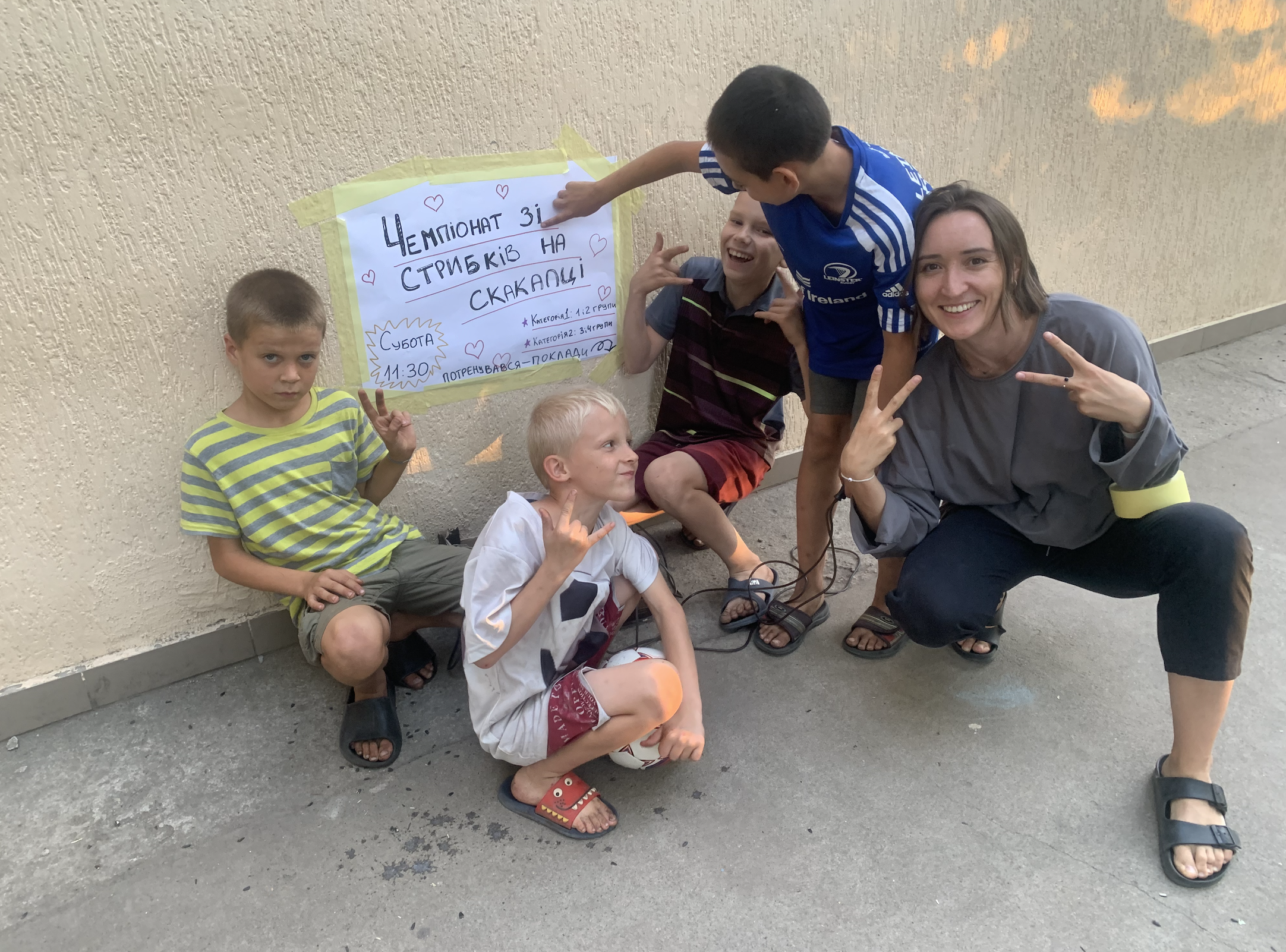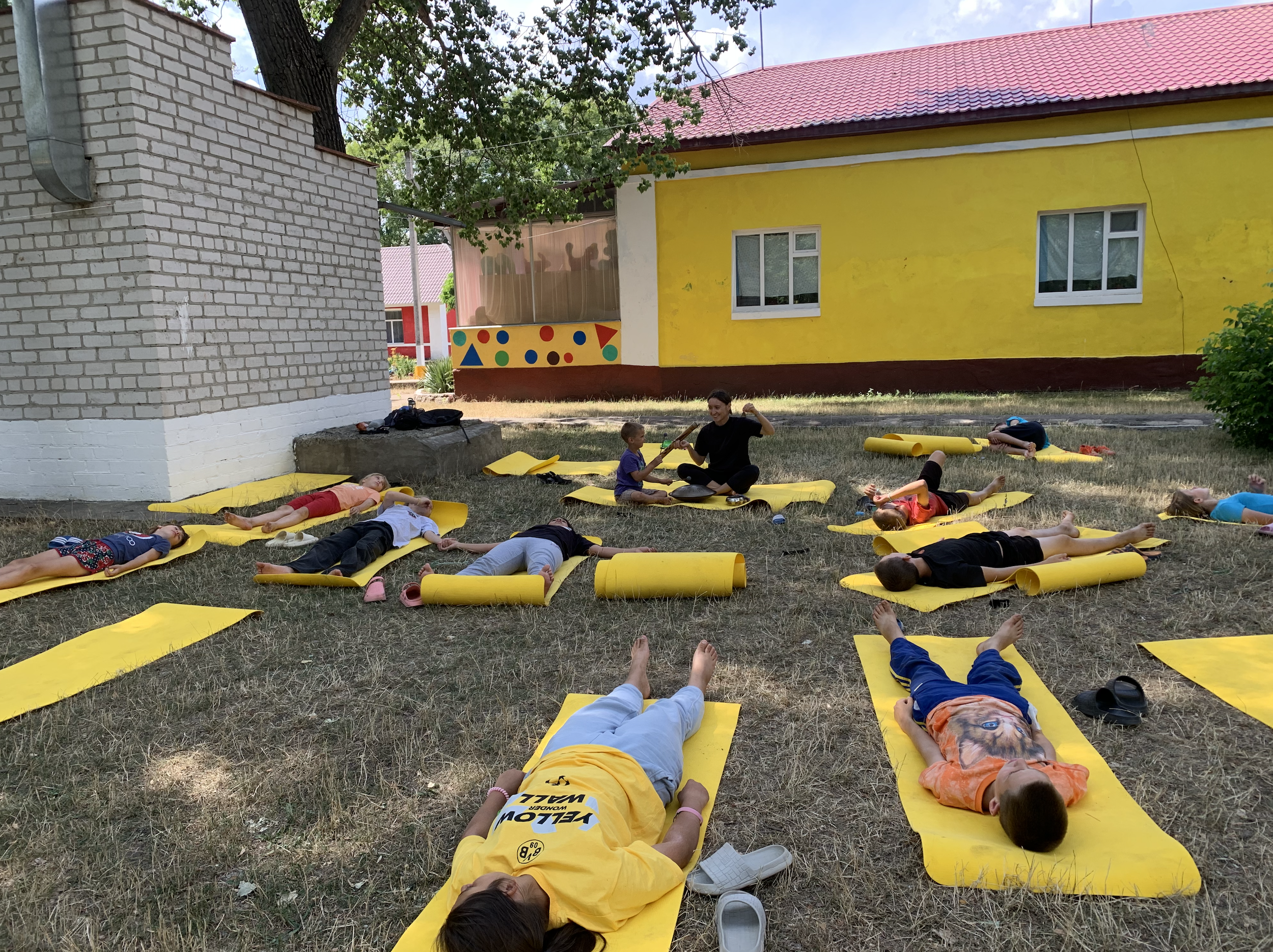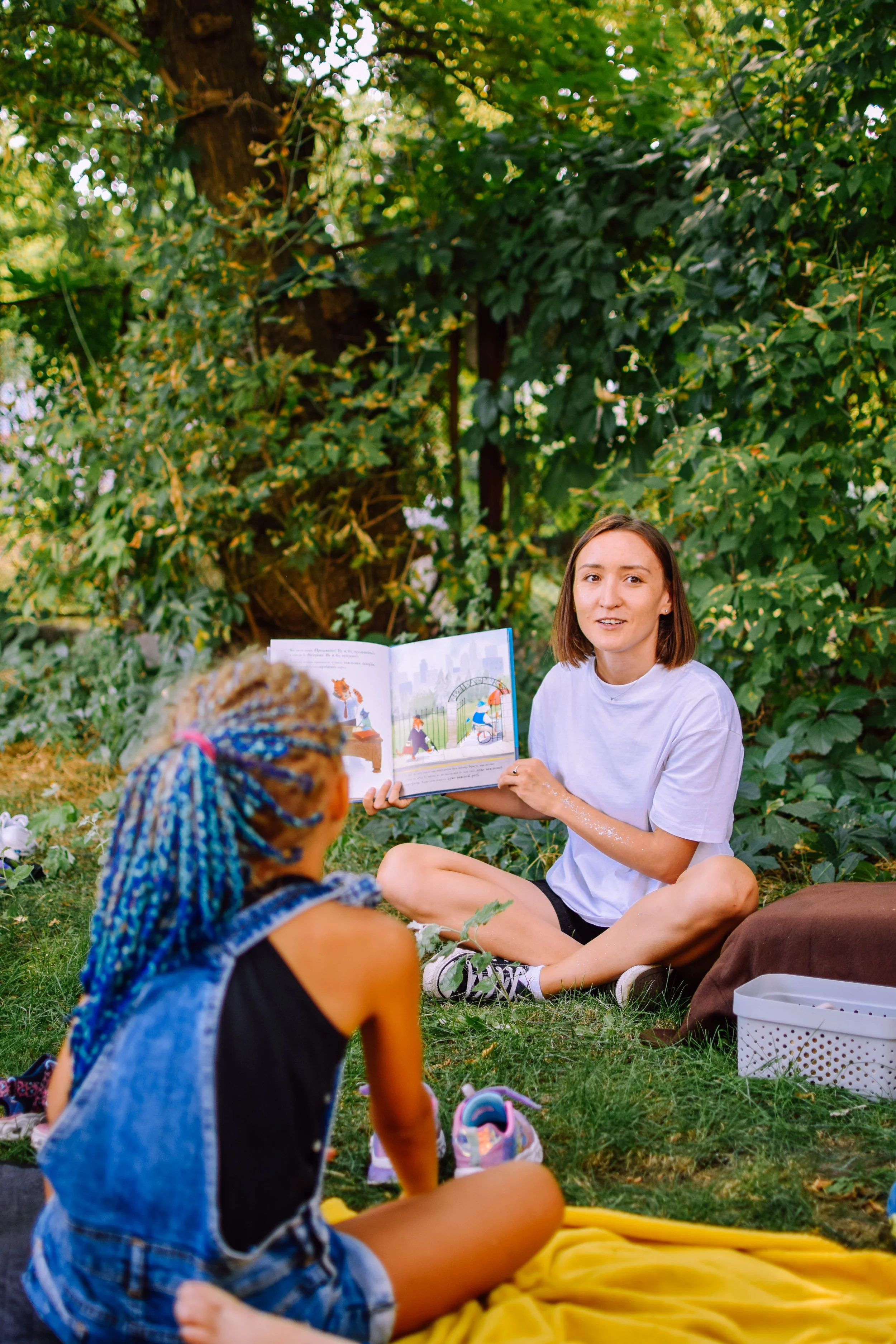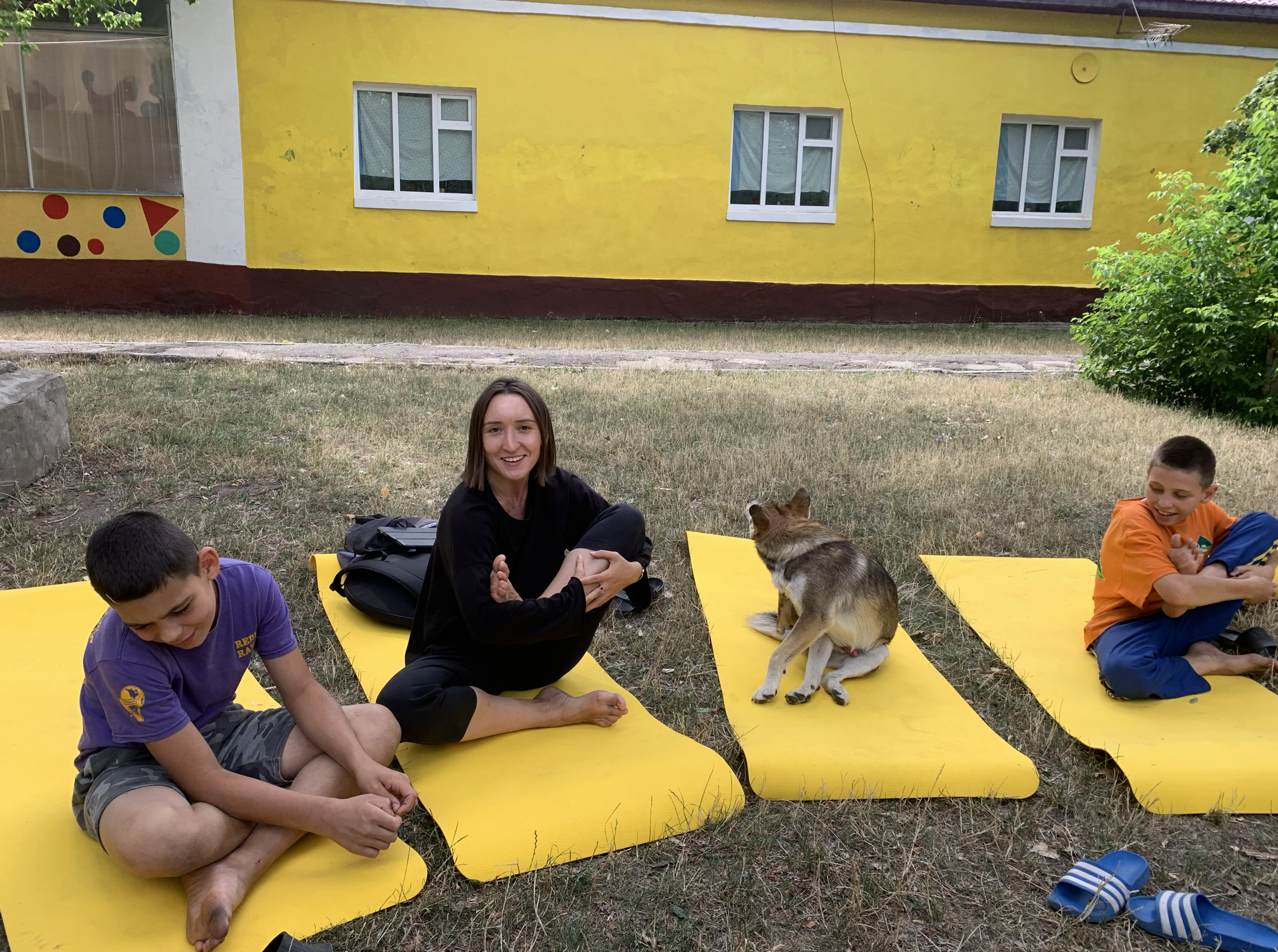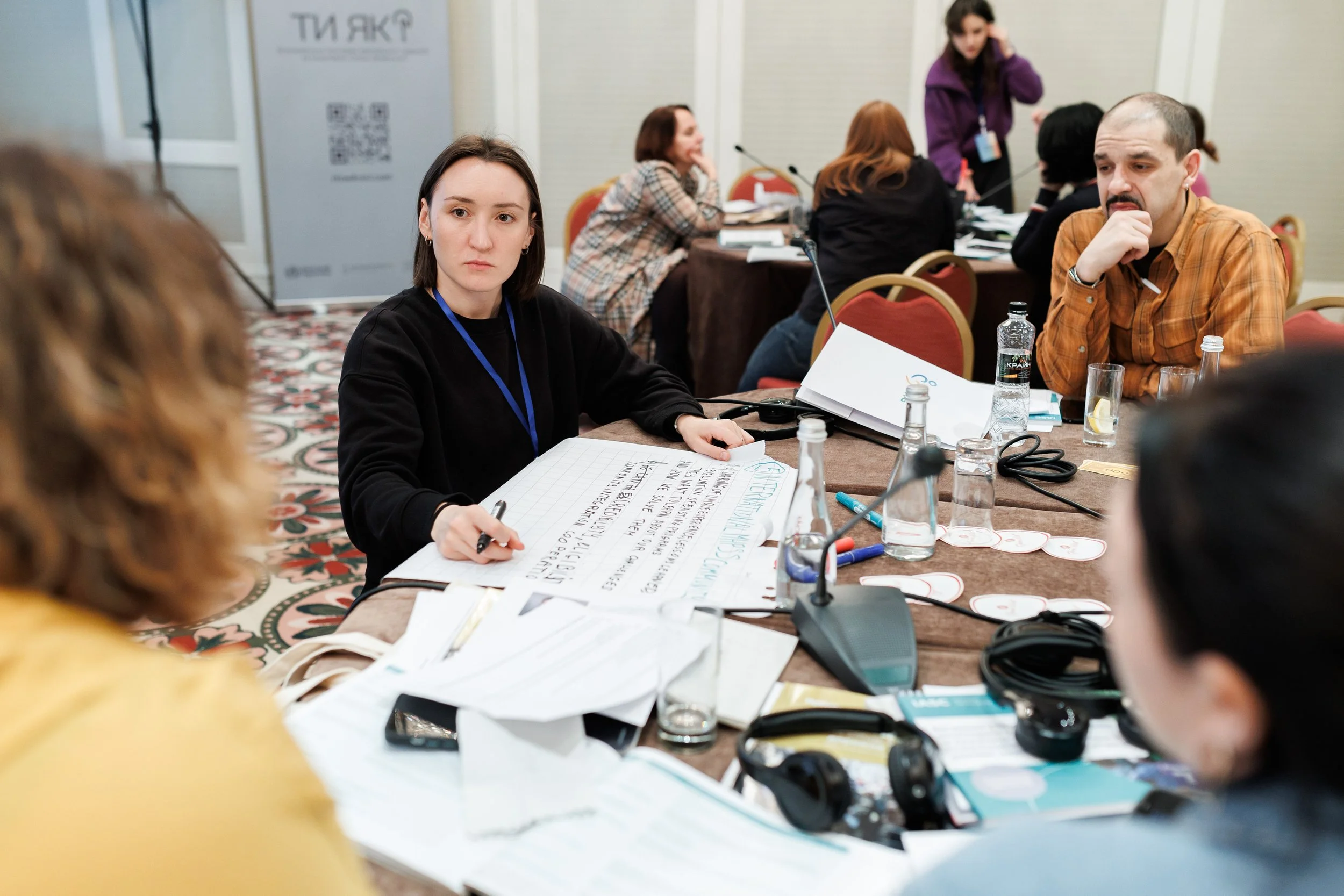
I bring together practical experience, system thinking, multicultural fluency, and MHPSS standards to help organizations build psychosocial systems that feel human — for children and the communities around them.

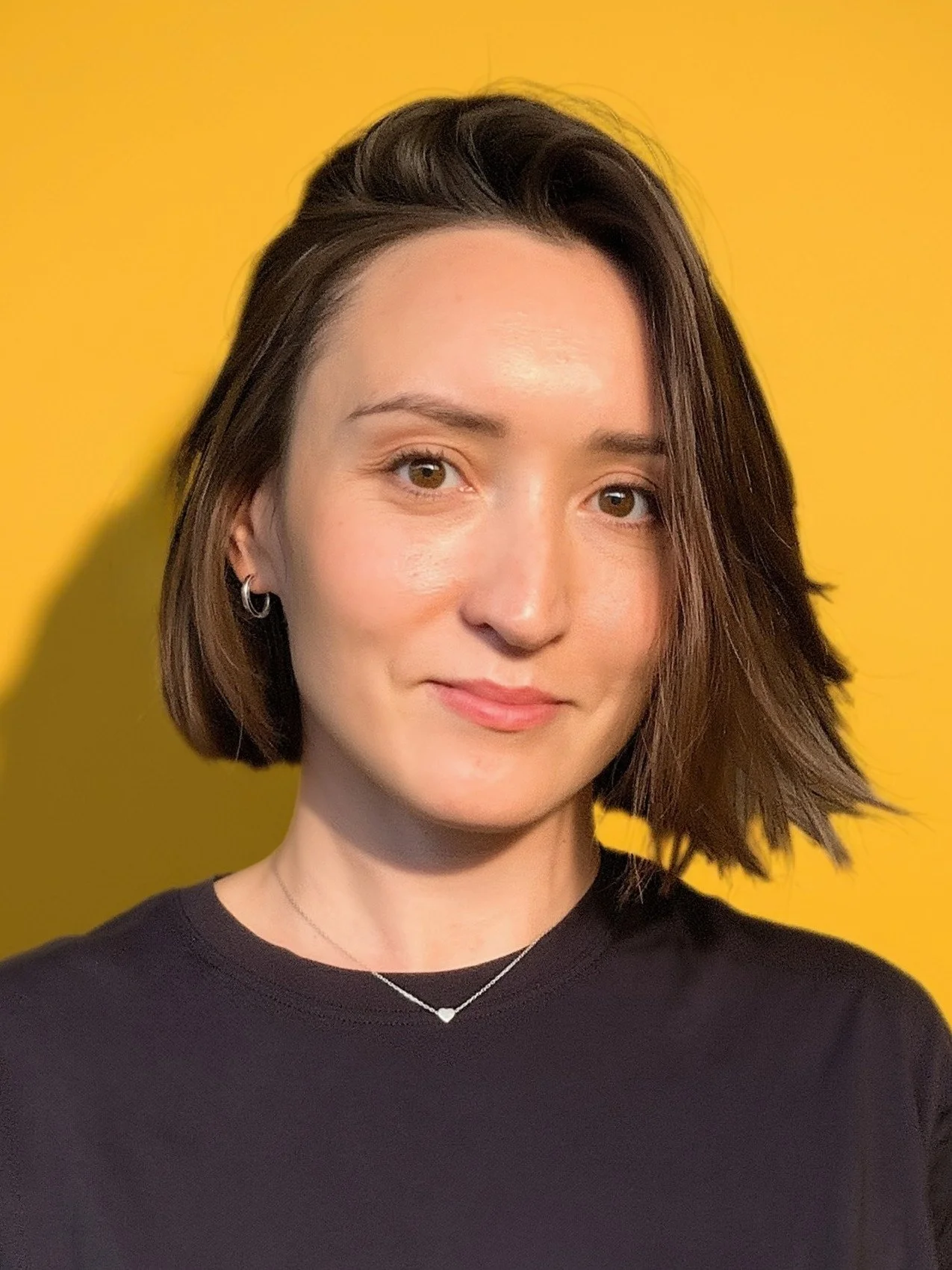
Hi, i’m Natalia.

If you see me in Kyiv, I’m sitting on a terrace in Podil – most often at Spelta – with a very hot double cappuccino, pretending it’s my office (because honestly, it is!).
If you see me in my village, I’m likely walking around the yard, talking to the dogs, or mildly dramatizing the fact that my mom’s goat ate the flowers again.

I live between those two states:
city terraces and rural earth, ideas and embodiment, reflection and emotion.

I’ve always been curious about what makes us feel alive, connected, and well.
People’s inner worlds, their nervous systems, their stories — all this fascinated me long before I had any language for “mental health.”
Now I simply have better tools, and a little more self-awareness.

This part of the page isn’t about what I do.
It’s about the life that shapes how I do it — and why.

Two worlds that raised me

My childhood and adolescence unfolded between two very different places: Ukrainian village life in Cherkasy region and French city life in the north of France. From the age of eight, I spent three months every year in France – long enough to absorb the language, the rhythm, and the atmosphere of another world.

From Ukraine, I carry rootedness, resilience, emotional honesty, and a very alive inner world.
From France, I carry reflection, slow-life values, reflective softness, joie de vivre, and the habit of questioning everything that is “supposed” to be a certain way.

These two photos were taken the same summer — one in my village Smoridnya, one in northern France, in a small town Emmerin. I was eight: joyful, curious, emotional, and endlessly fascinated by people. I’m still curious… maybe a little less joyful (working on that), but now with better tools, better boundaries, and more understanding.

I like to think I took the best of both worlds:
Ukrainian emotional intensity + French reflective softness.
It’s an unexpectedly beautiful combination — and it shapes the way I meet people, create programs, and see the world.

What shapes my work

  • The capacity to stay present with what is, instead of escaping into what should be.

  • Understanding how stress, learning, trauma, and regulation actually work in the brain and body.
    Neuroscience doesn’t replace intuition or humanity, it supports them.

  • As a way to process, integrate, play, and reconnect with one’s inner world.

  • Because no system survives if the people inside it feel unseen or unsafe.

Before the methods, there was the inner work

Before I ever taught mindfulness or supported children and adults, I had to learn how to stay present myself.
Burnout and anxiety forced me to rebuild from the inside.
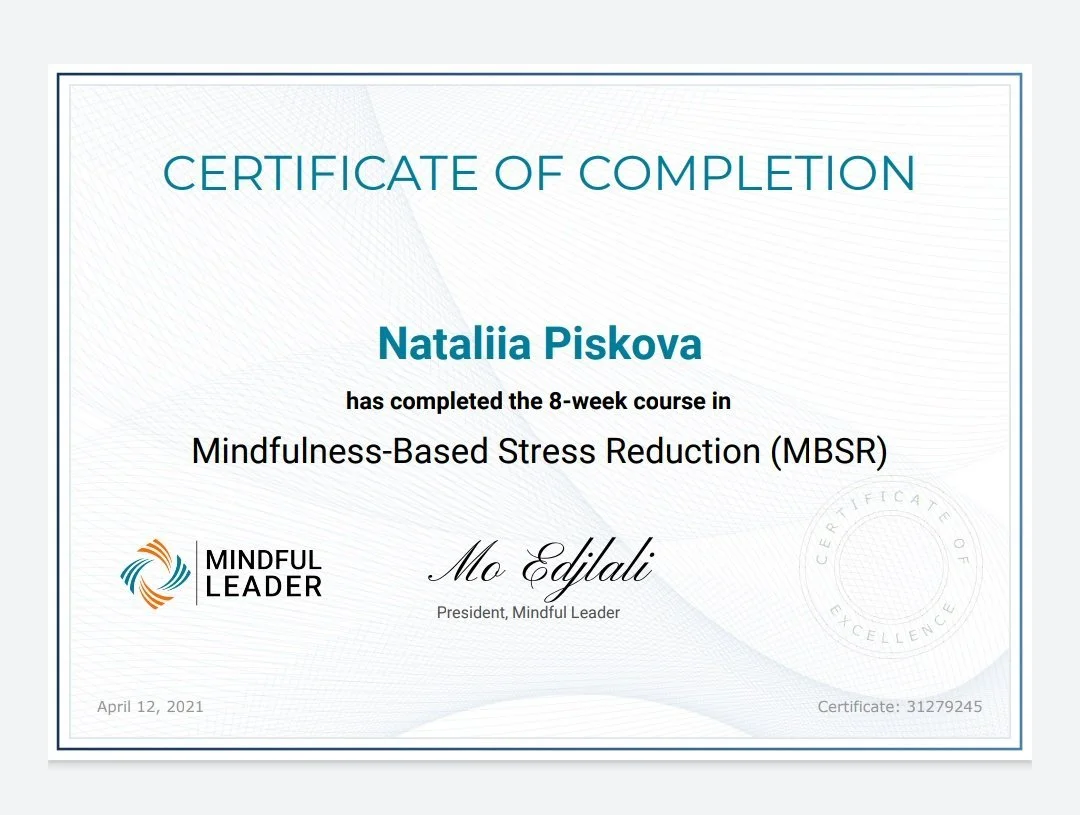
Mindfulness came into my life as a necessity — not a professional tool — and slowly became the foundation of how I live,
relate, and work. This part of my story was captured in the MH4U Mental Health Ambassador program — the moment everything shifted.

Self-awareness is not something I “added” later. It is the core of my work.

Where MHPSS meets my path

MHPSS didn’t arrive in my life as a career decision or a planned direction.
It entered naturally with the full-scale war — simply because it was needed.

As I joined important psychosocial projects, I learned what had to be learned to keep this work ethical, meaningful, and effective. I trained, listened, observed, and slowly grew into the MHPSS space through responsibility, not ambition.

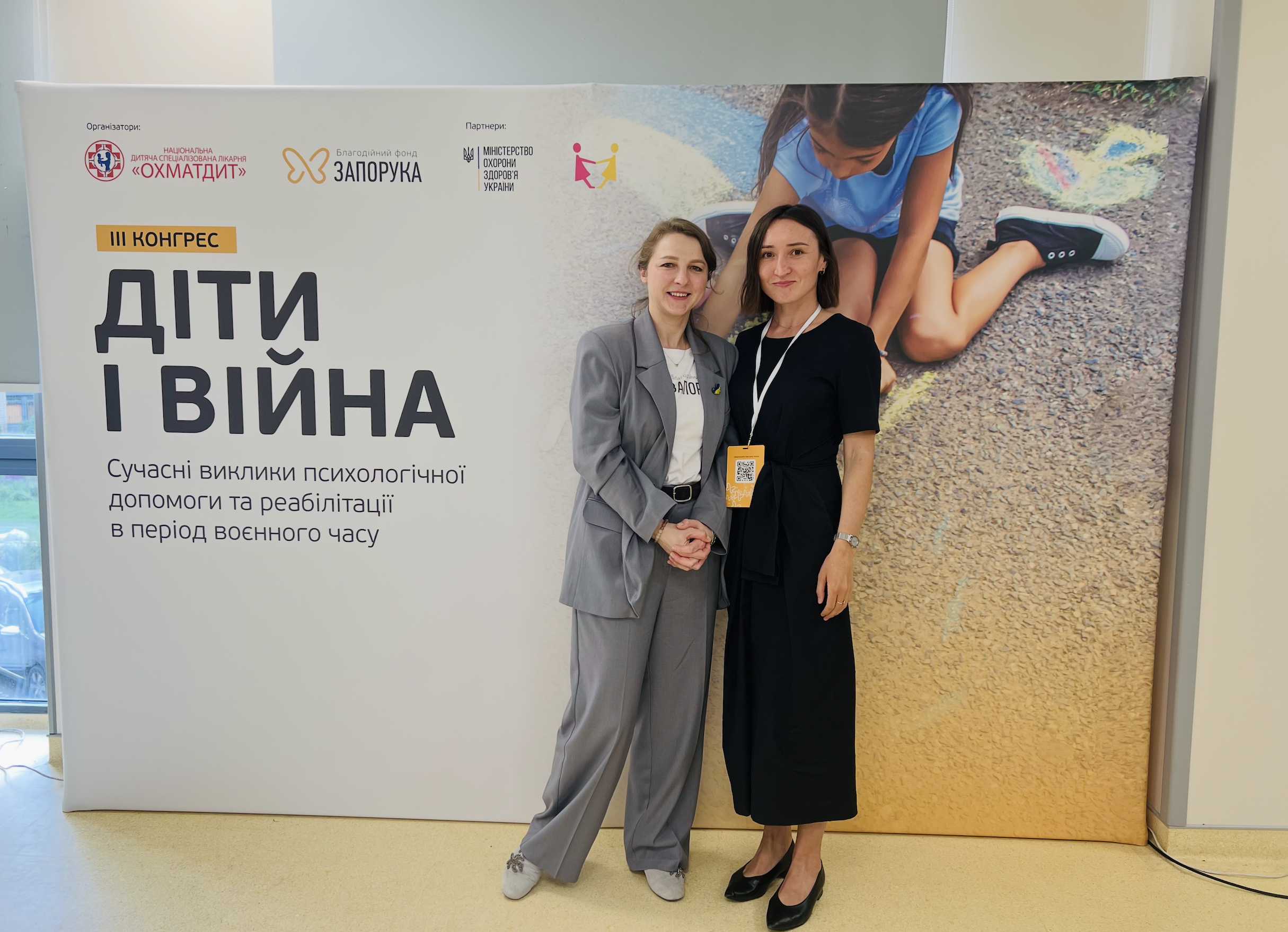
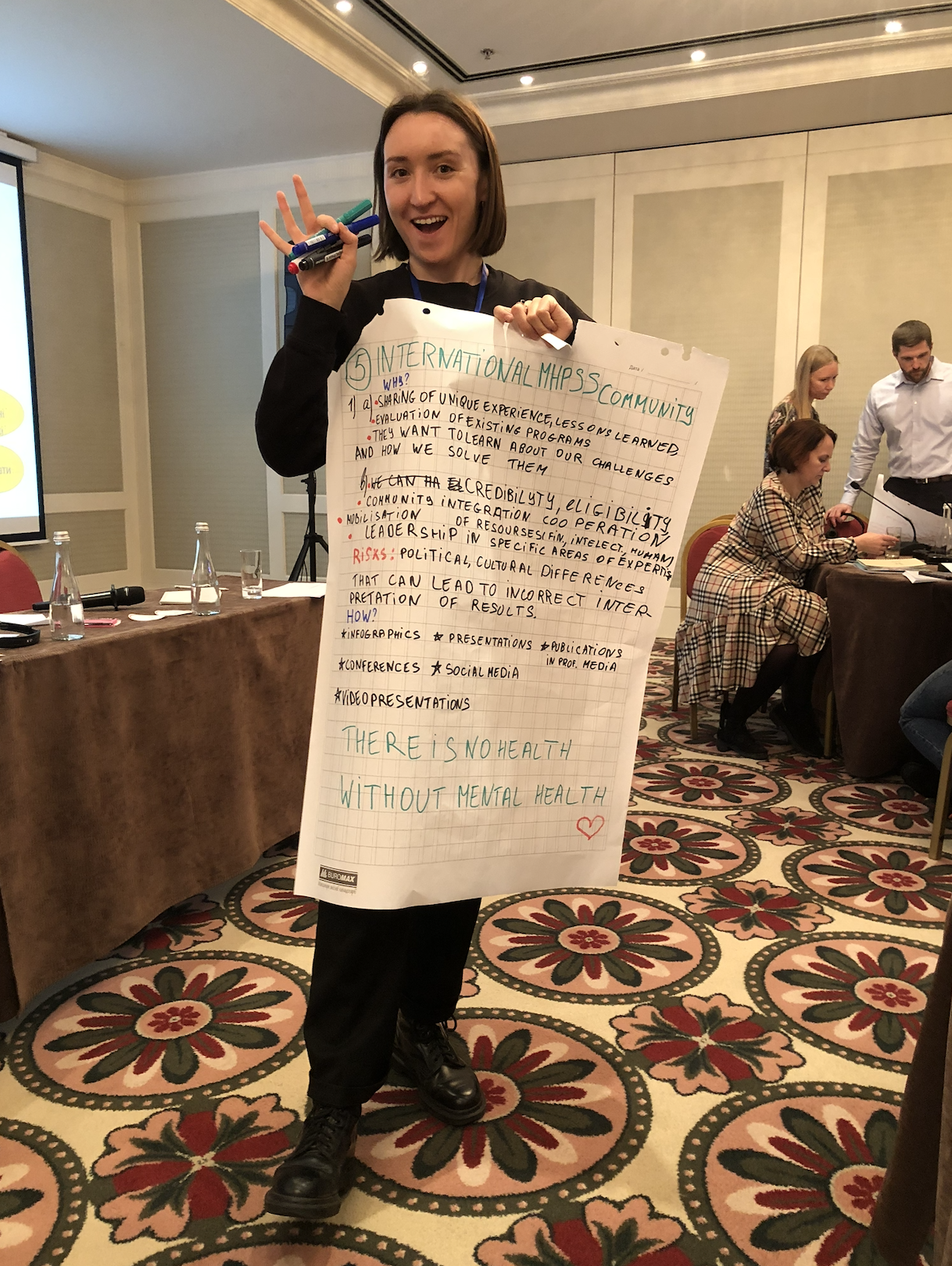
Over time, my role naturally shifted toward program design and advocacy — shaping psychosocial projects, staying aligned with global standards, and grounding support in both evidence and humanity.

This experience keeps my work real and connected to what children, caregivers, teachers, and communities face in Ukraine today.

Because I grew up moving between Ukrainian village life and French city life, multicultural environments feel natural to me. I understand how different systems think, feel, and communicate — not academically, but through lived experience.

This helps me translate global standards into local realities, navigate international teams with ease, and design psychosocial approaches that respect cultural nuance. It’s not a skill I learned later — it’s the lens I grew up inside.

Studio P – my R&D space

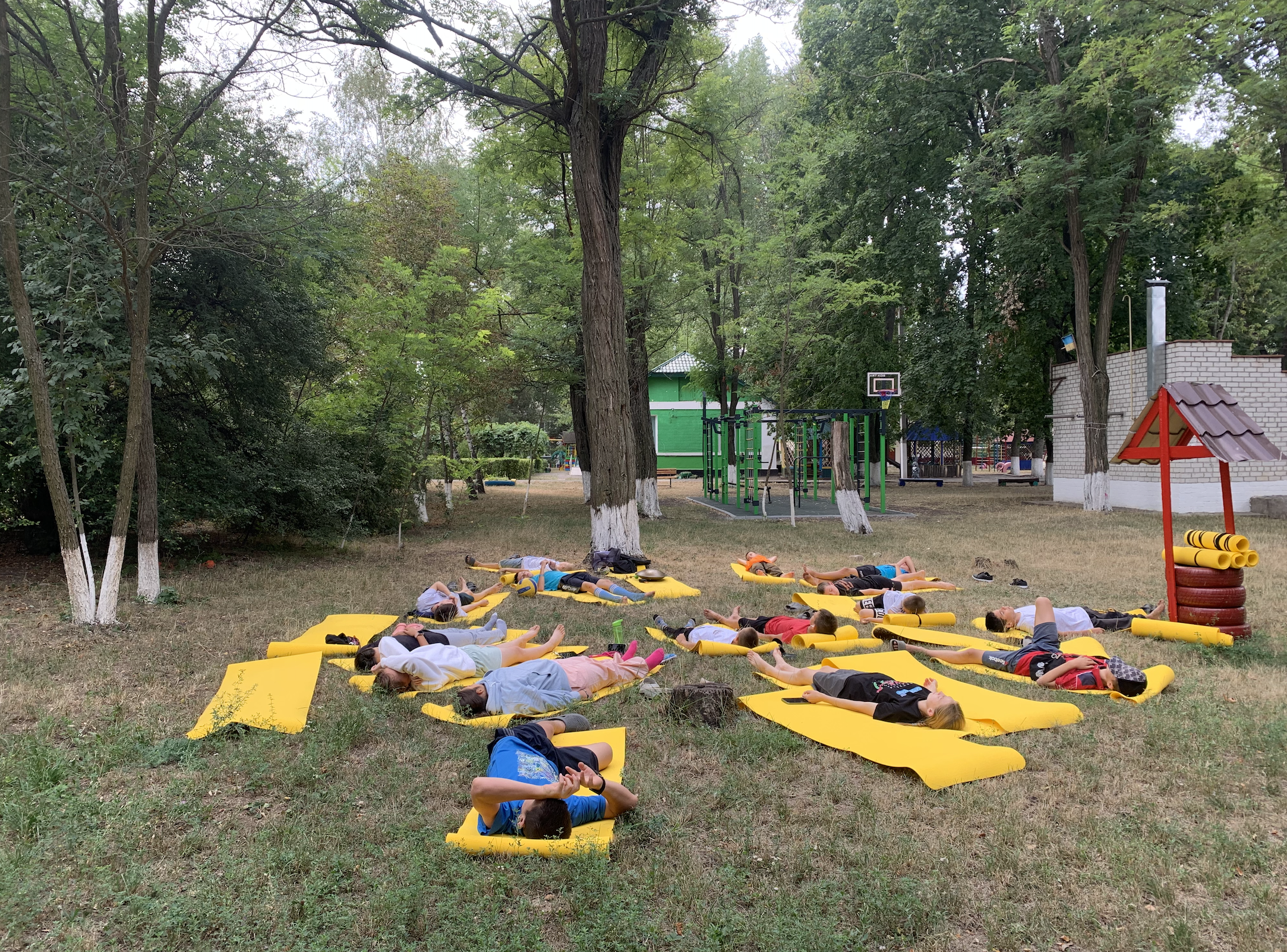
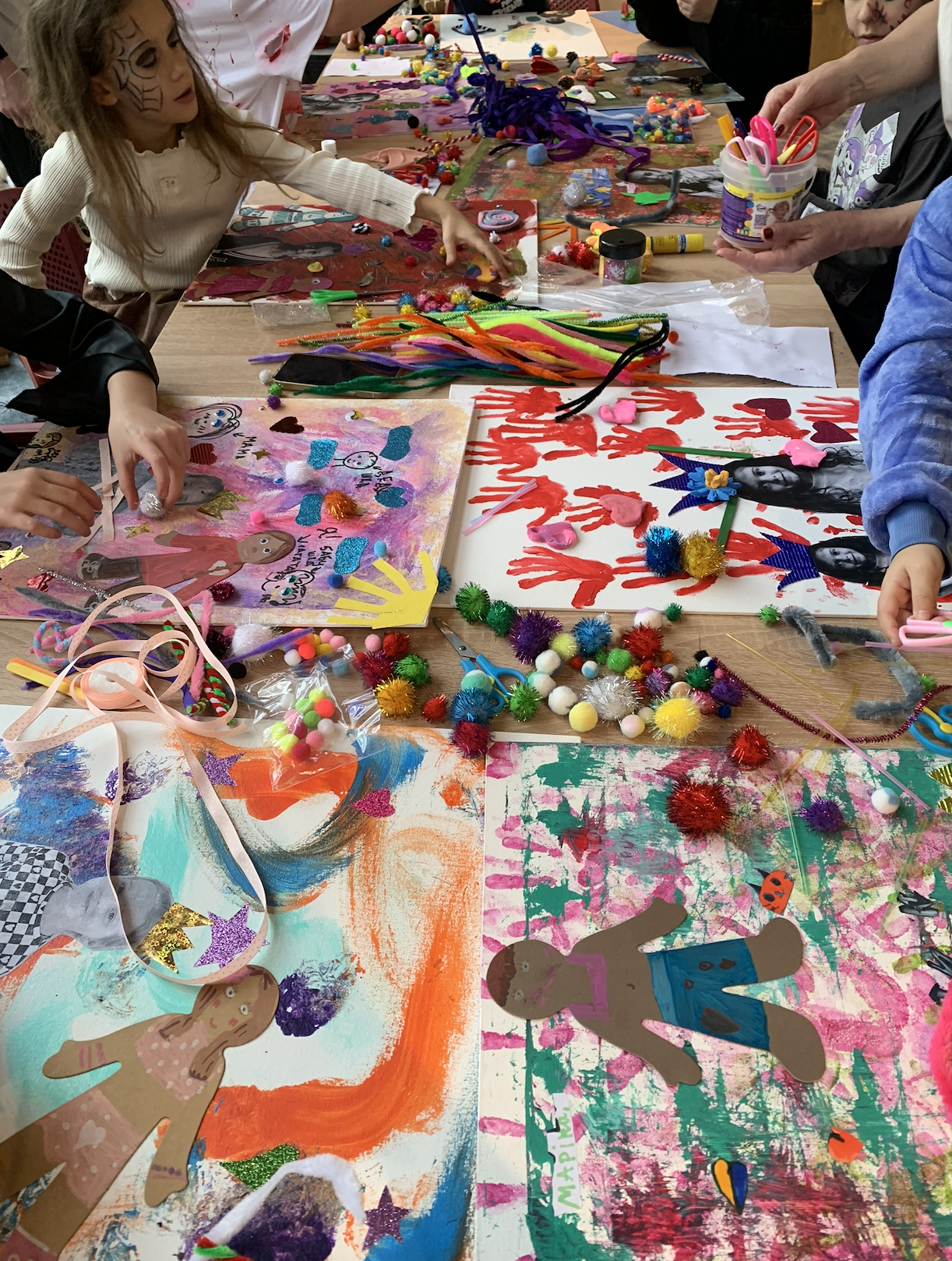
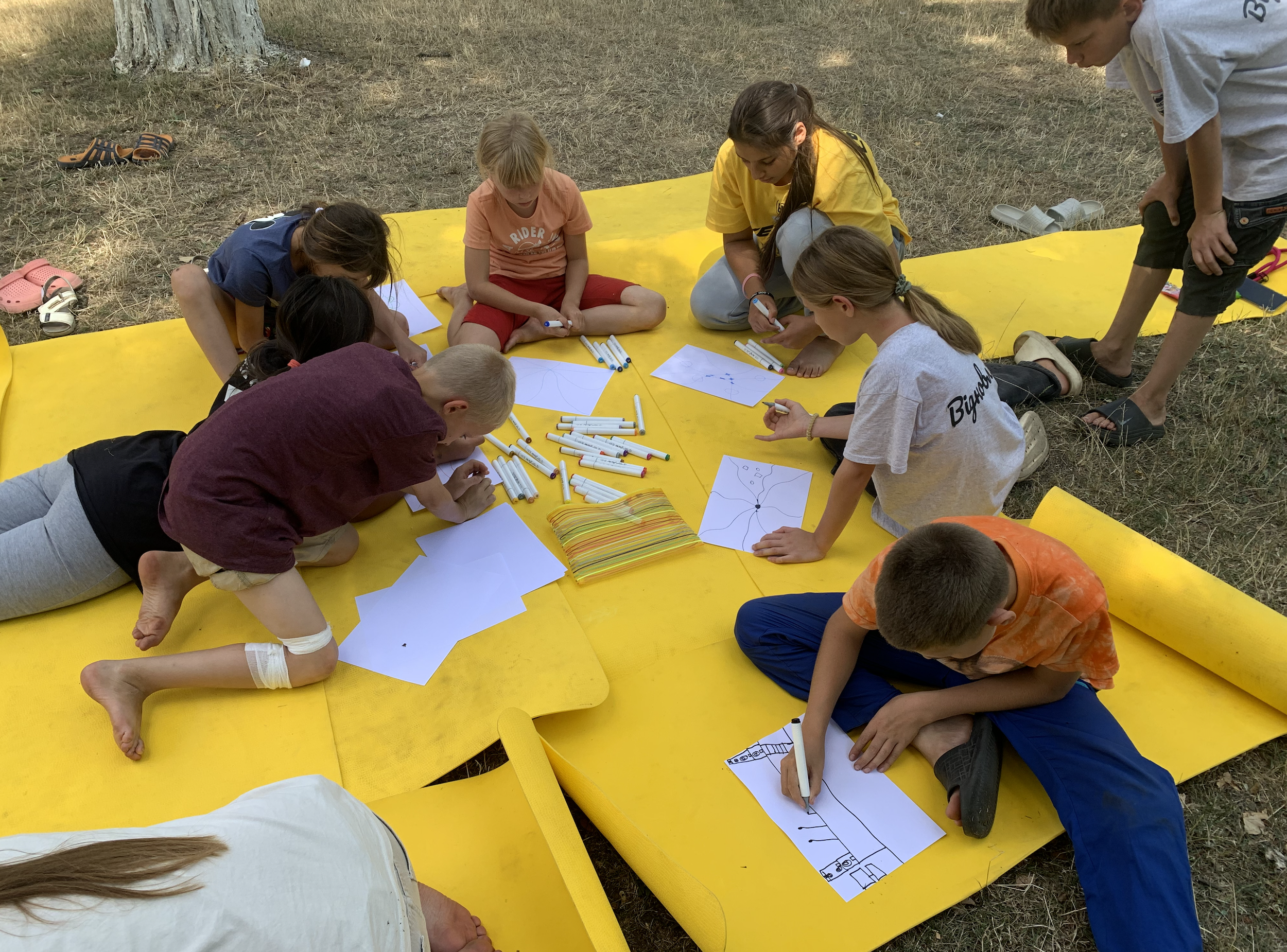
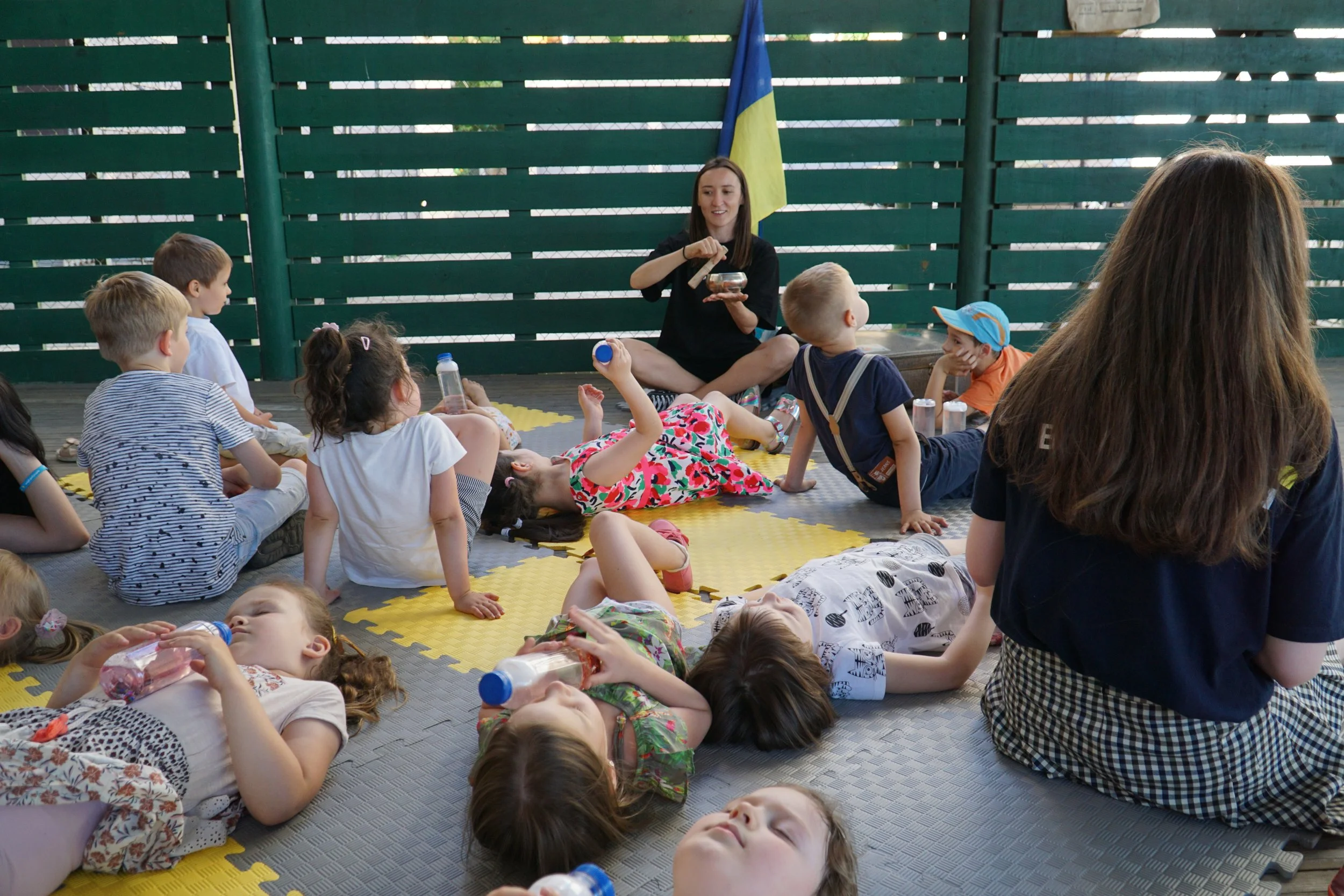
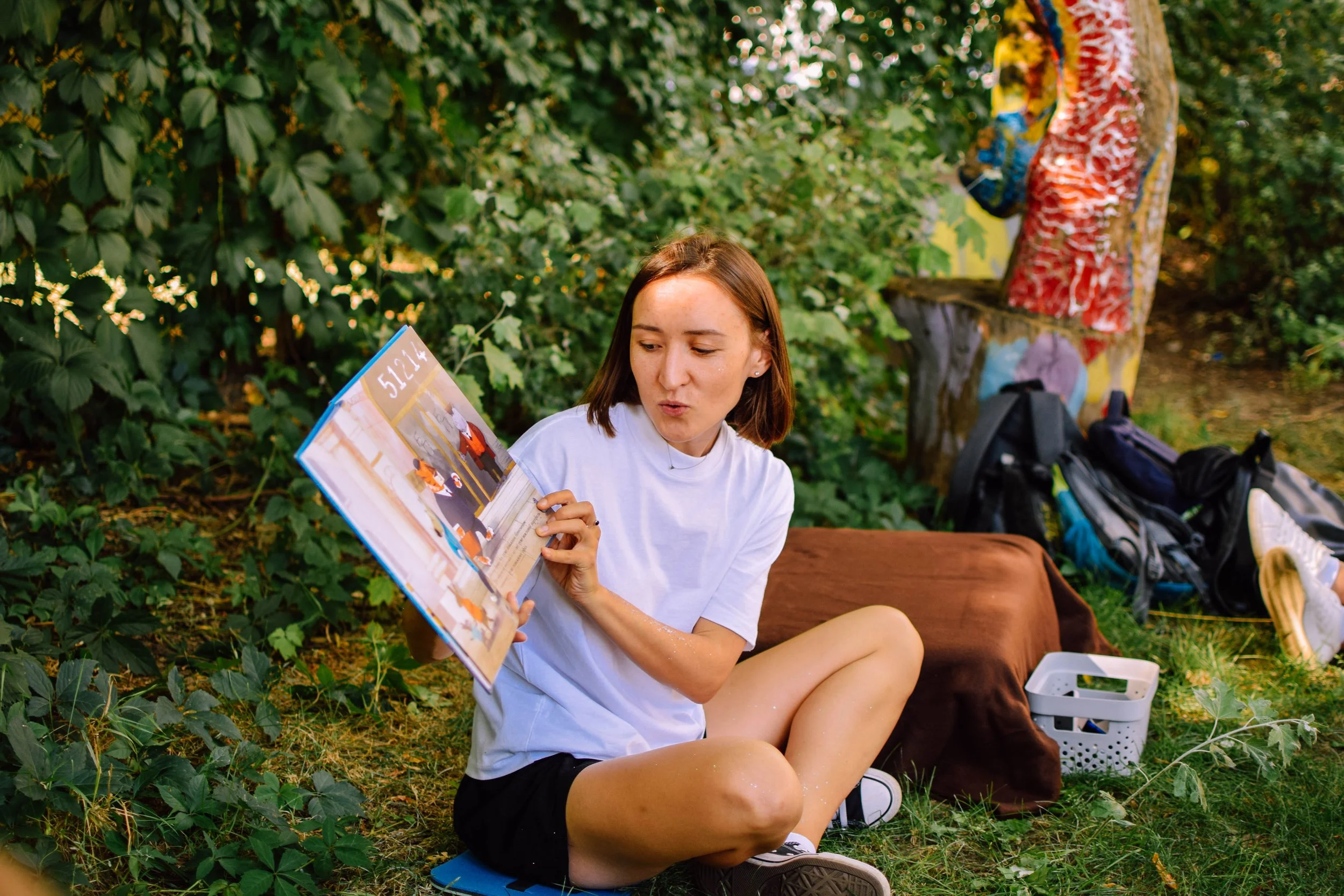
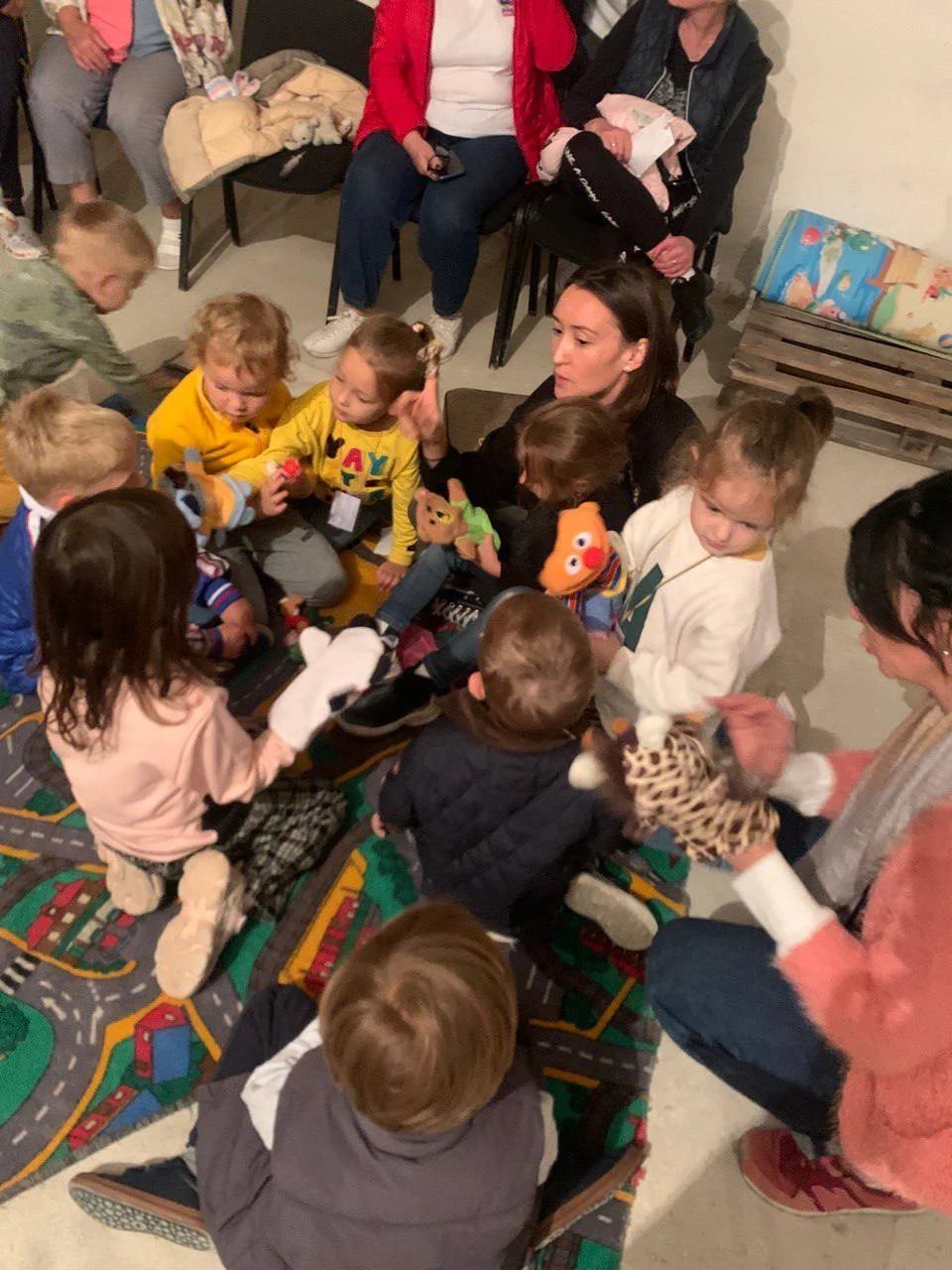
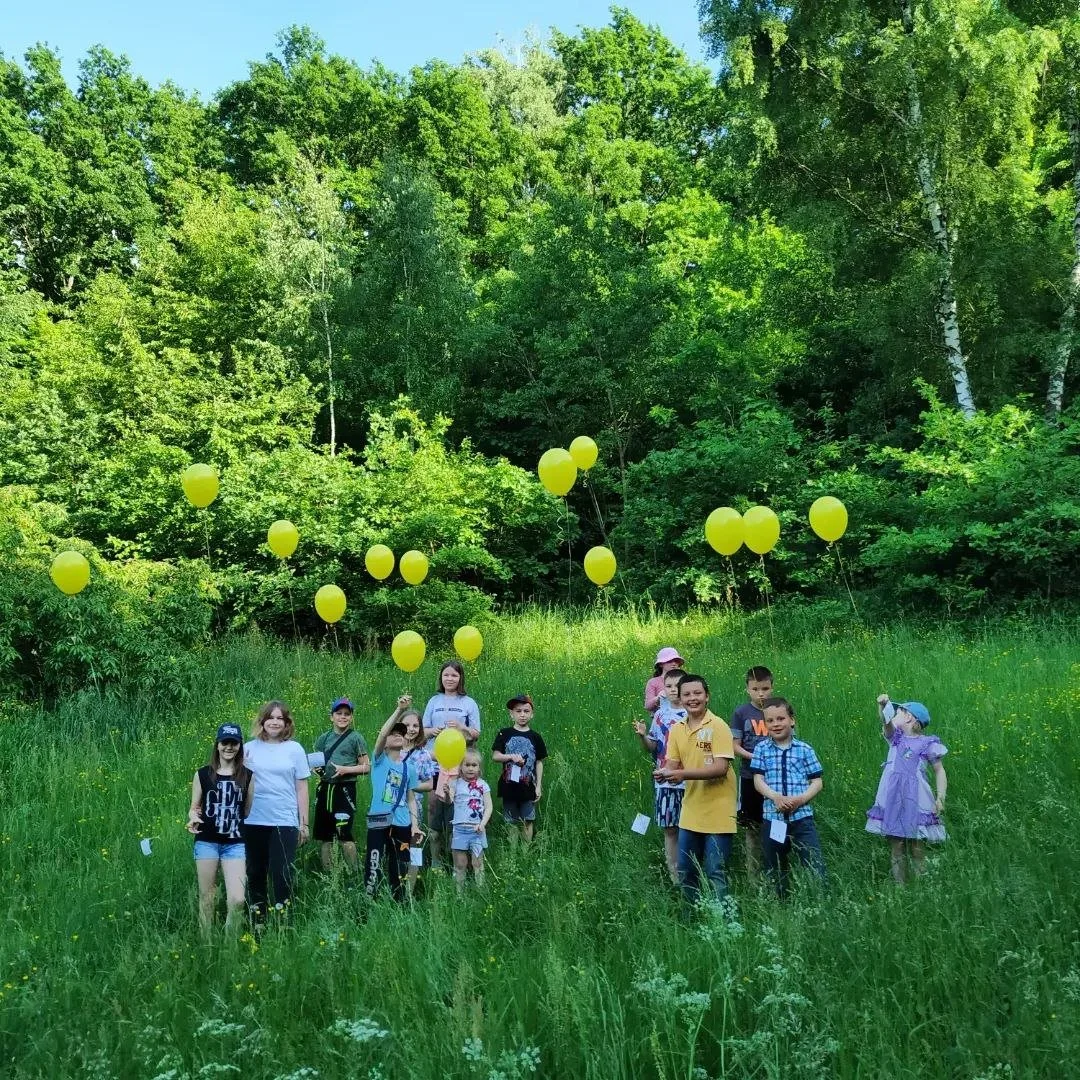
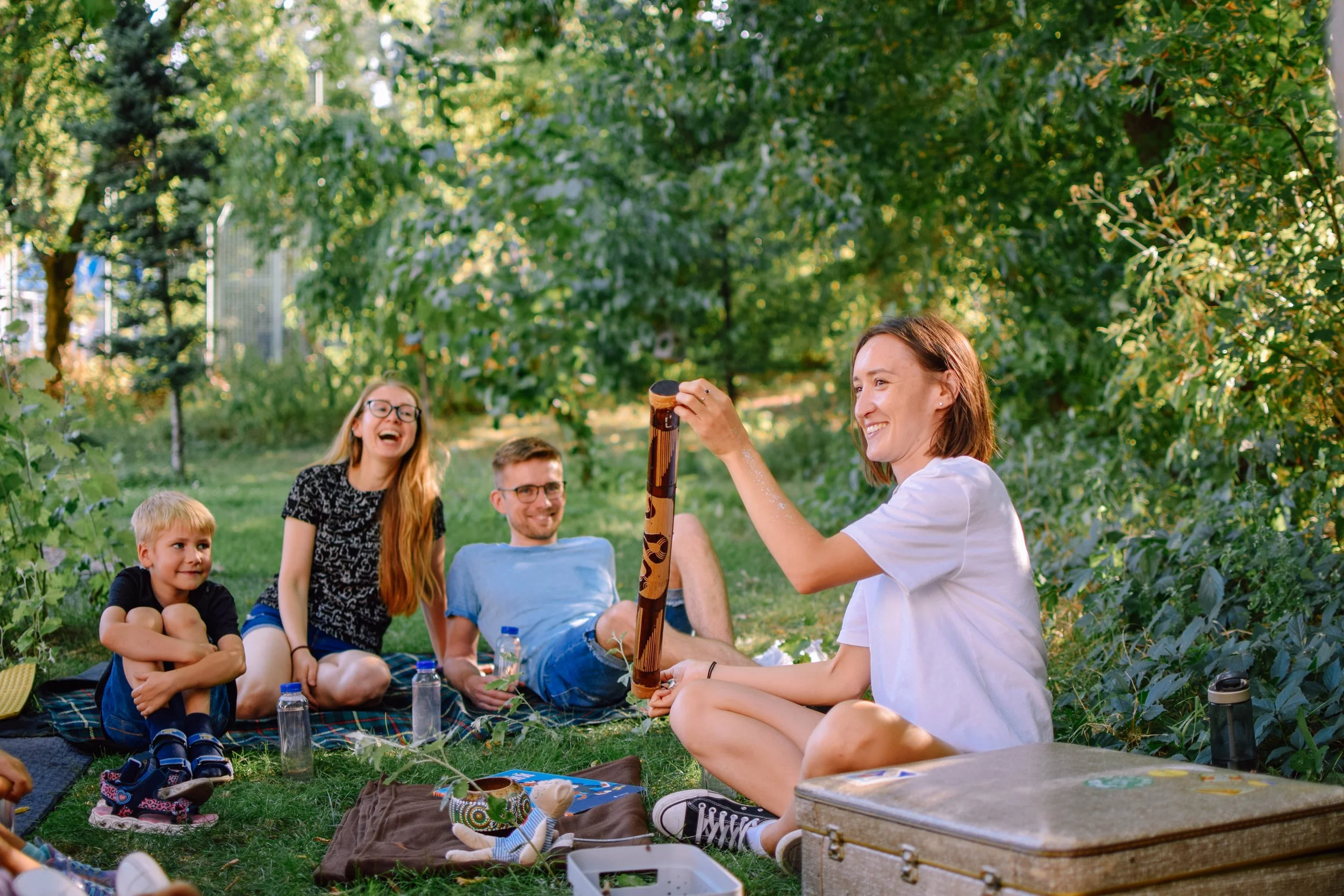
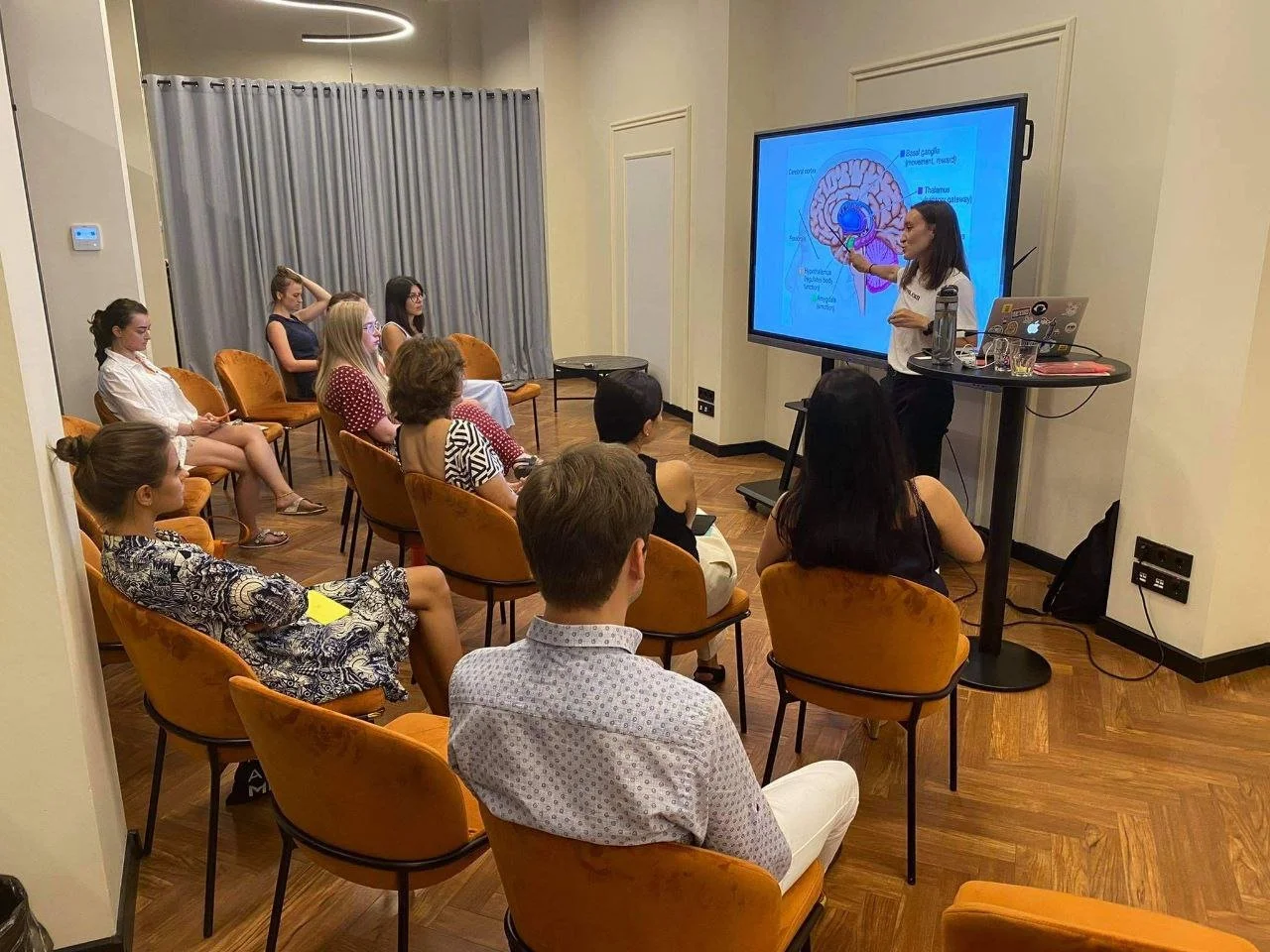
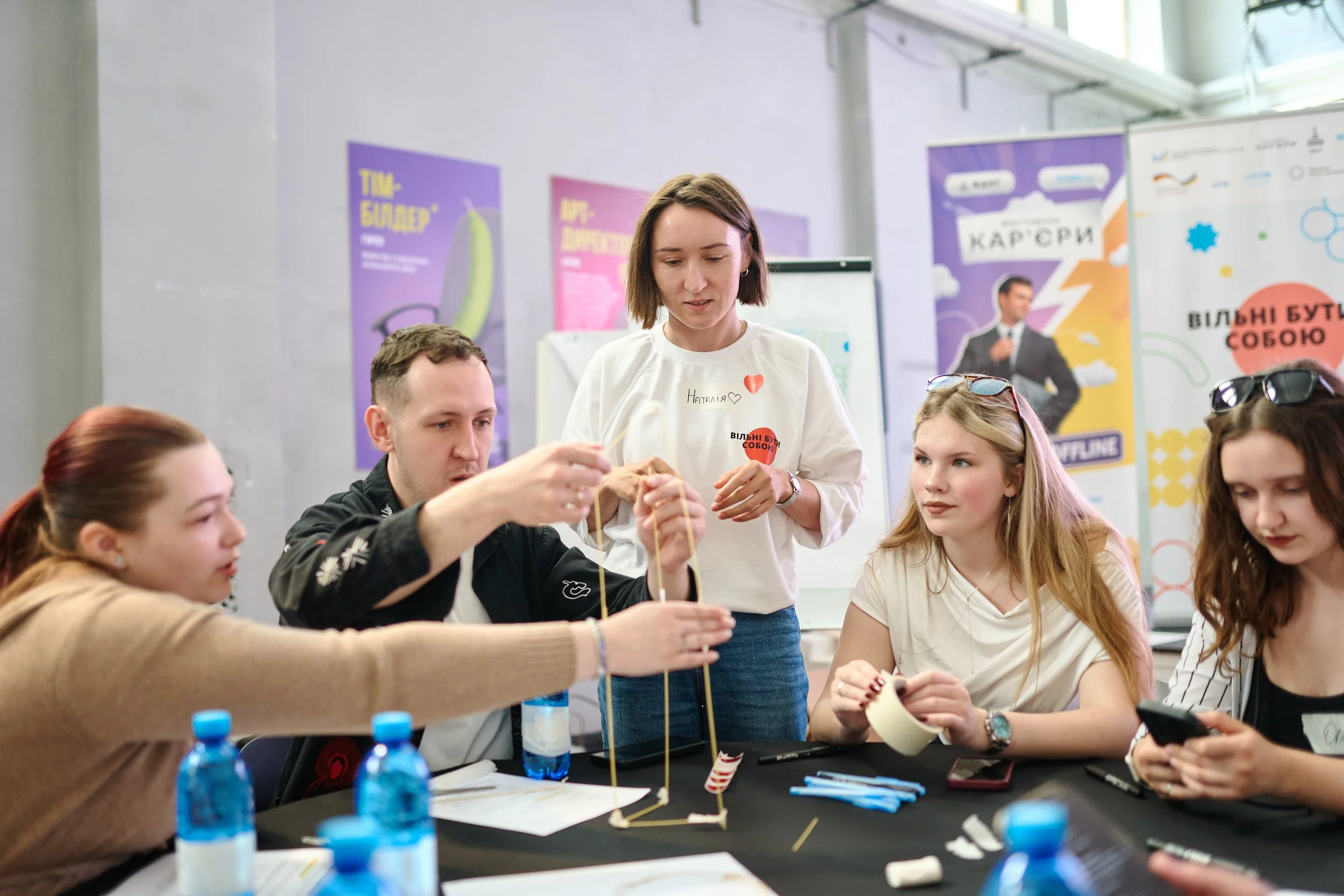
Studio P is where most of my work begins. It’s my quiet research and development space — the place where I explore mindfulness, neuroscience, sensory work, and creative expression in practice, not theory. Over the years, I’ve shaped and tested experiences with real children, teens, and adults, learning what actually supports regulation, connection, and well-being.

Everything I design today grows from this practical experimentation. Studio P remains the foundation of my methods and the place where new ideas take shape before becoming systems.

My work began with creating embodied, sensory, and mindful experiences for children and adults — the kind of small, practical moments that reveal what people actually need. Over time, these experiences showed me the larger patterns behind well-being: what supports it, what disrupts it, and where systems quietly fail the people inside them.

Designing individual sessions naturally grew into shaping methods, then full programs, and eventually psychosocial ecosystems. The deeper I went, the clearer it became that meaningful change isn’t built from isolated activities — it’s built from structures, relationships, and systems that hold people over time.

This is where my practice and my system thinking came together.
Today, I use this combined lens — practical experience, creative R&D, multicultural fluency, and MHPSS standards — to help organizations design psychosocial systems that feel human for children and the communities around them.

From Practice to Systems

Training & Foundations

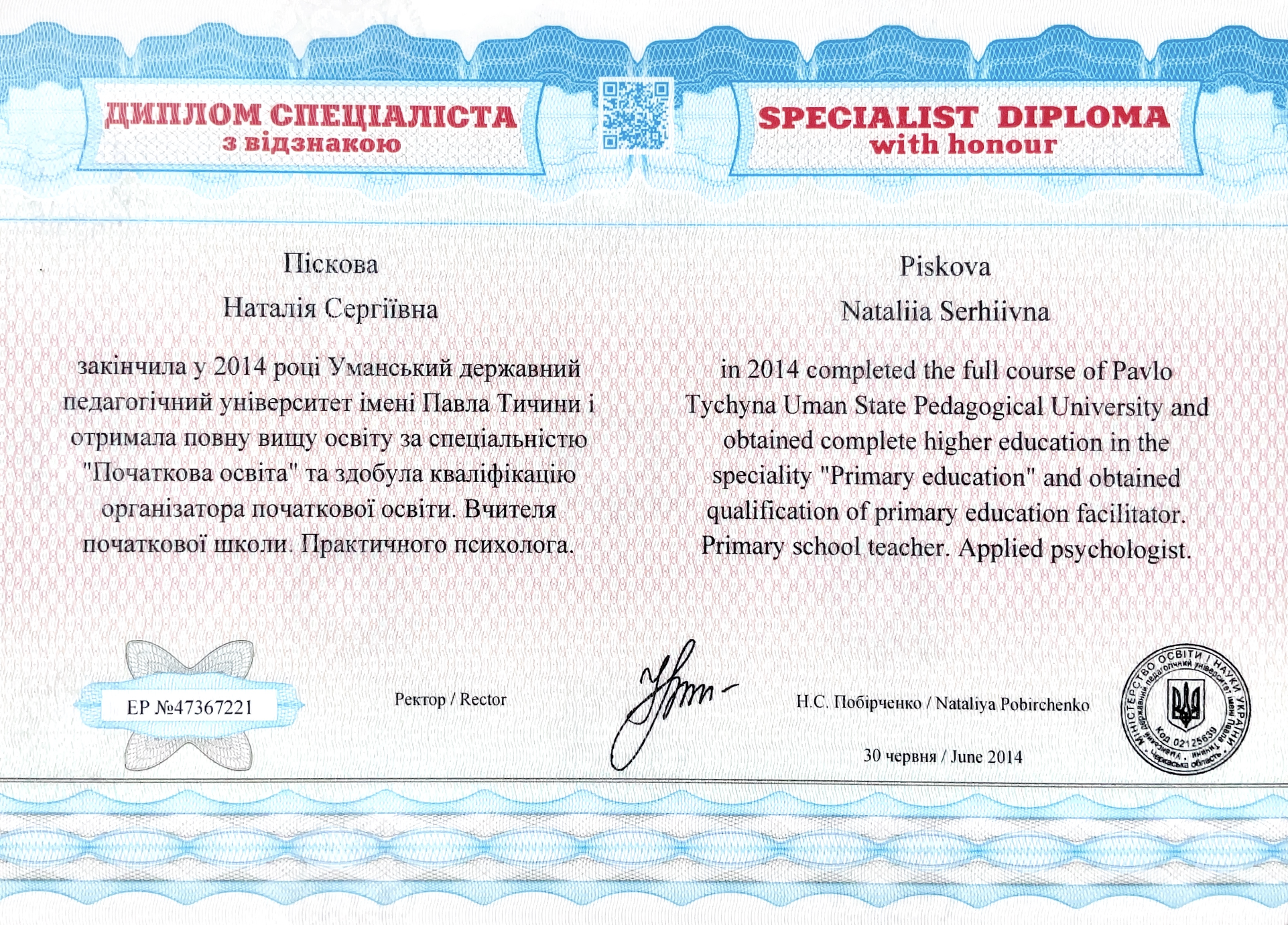
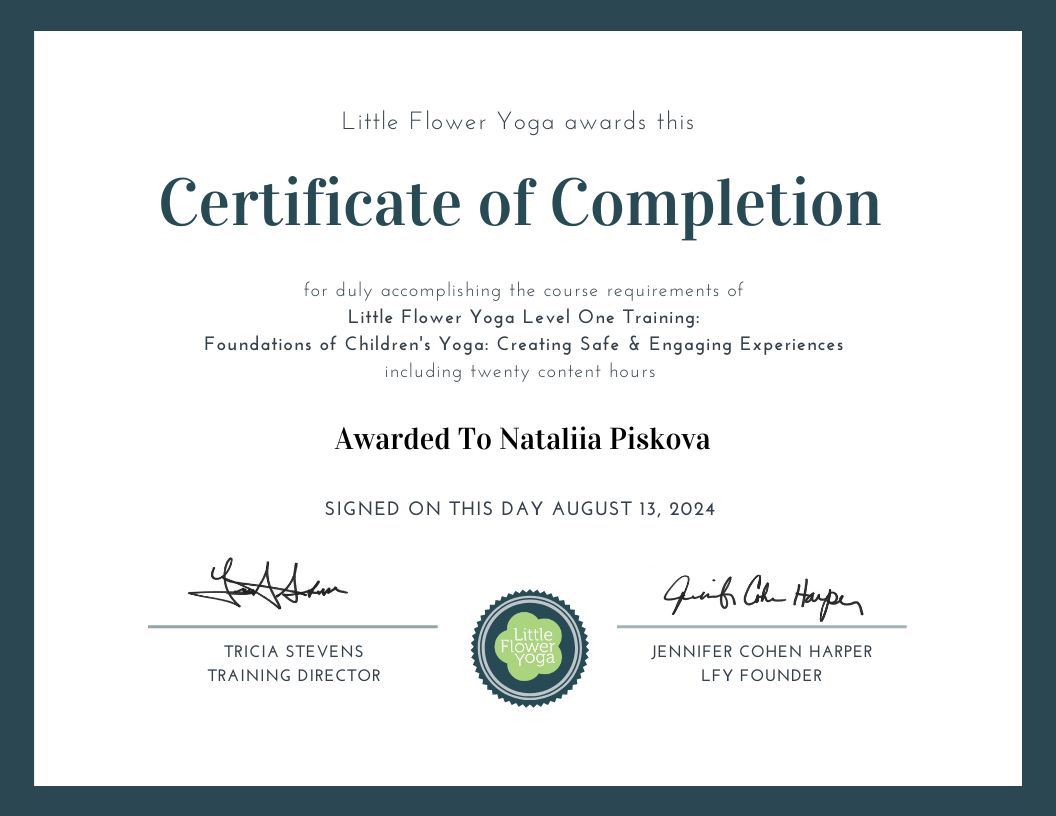
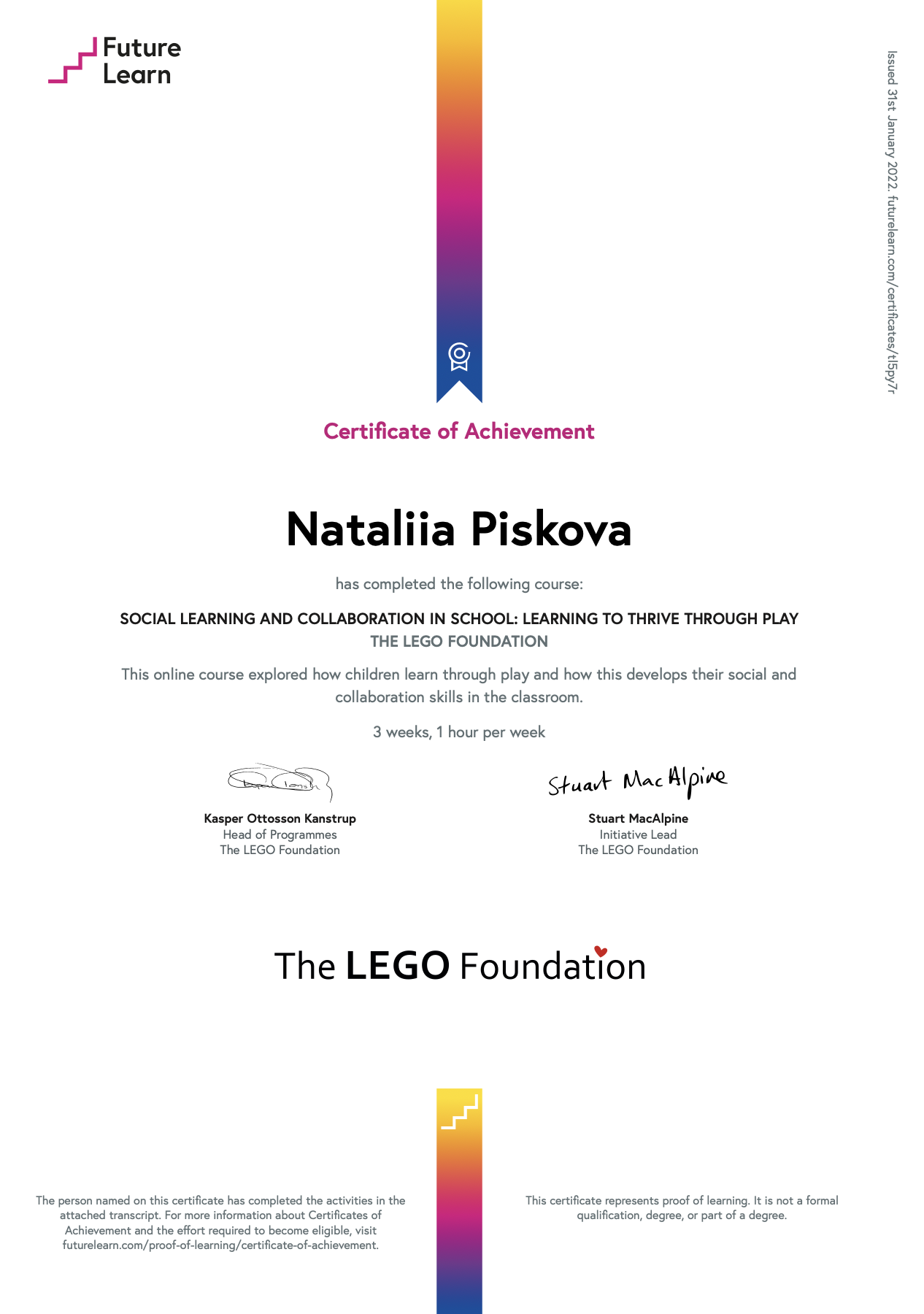
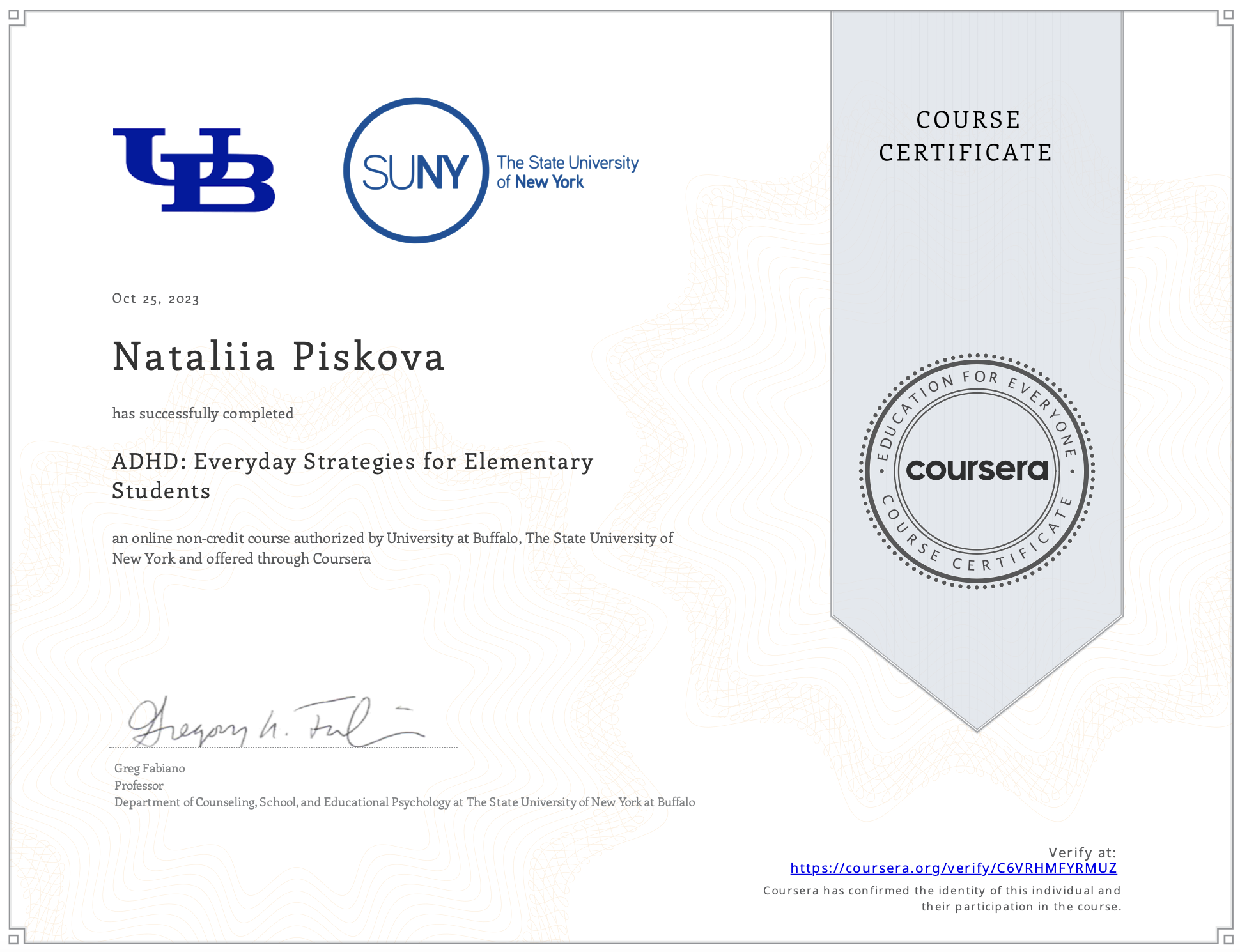
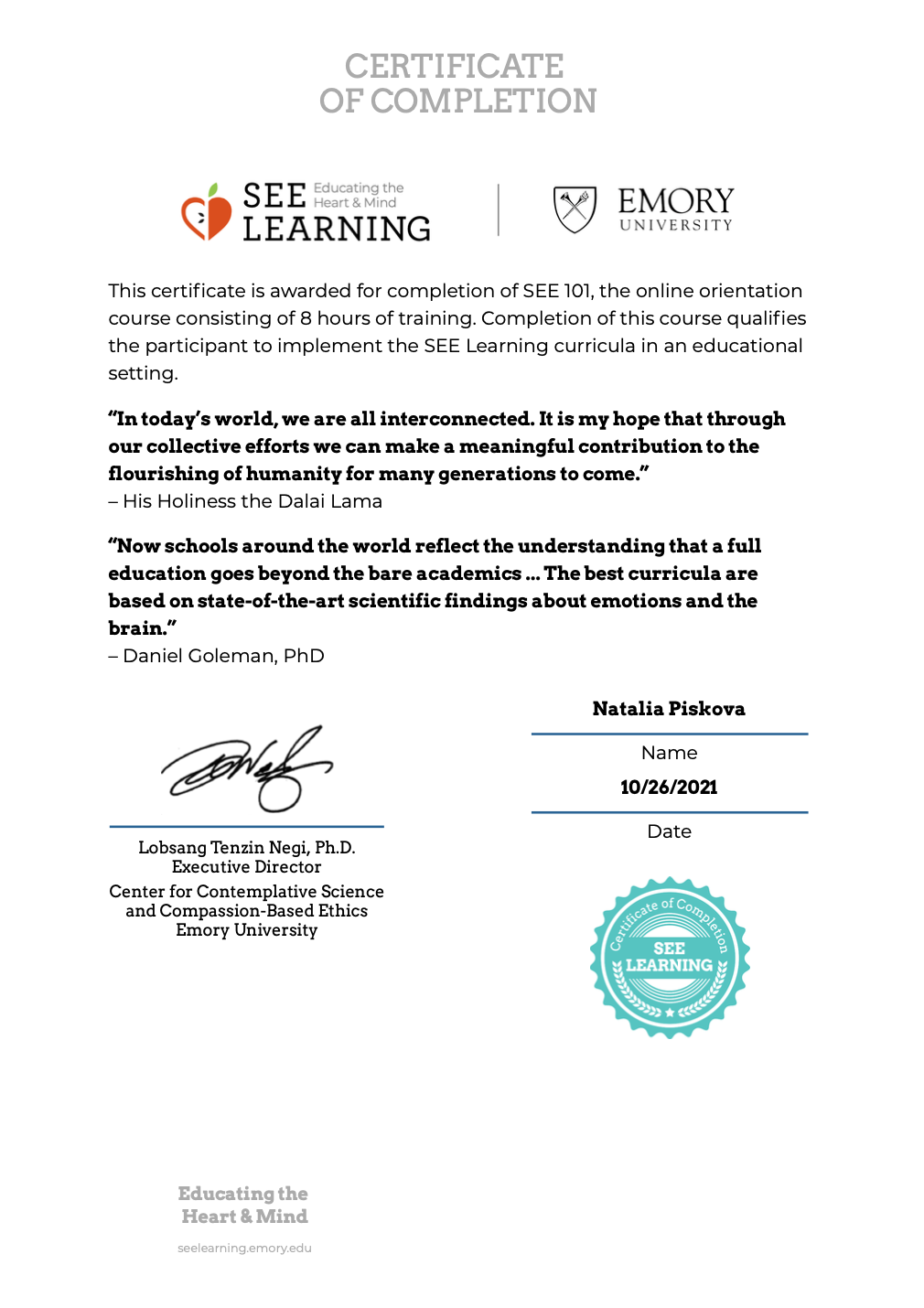
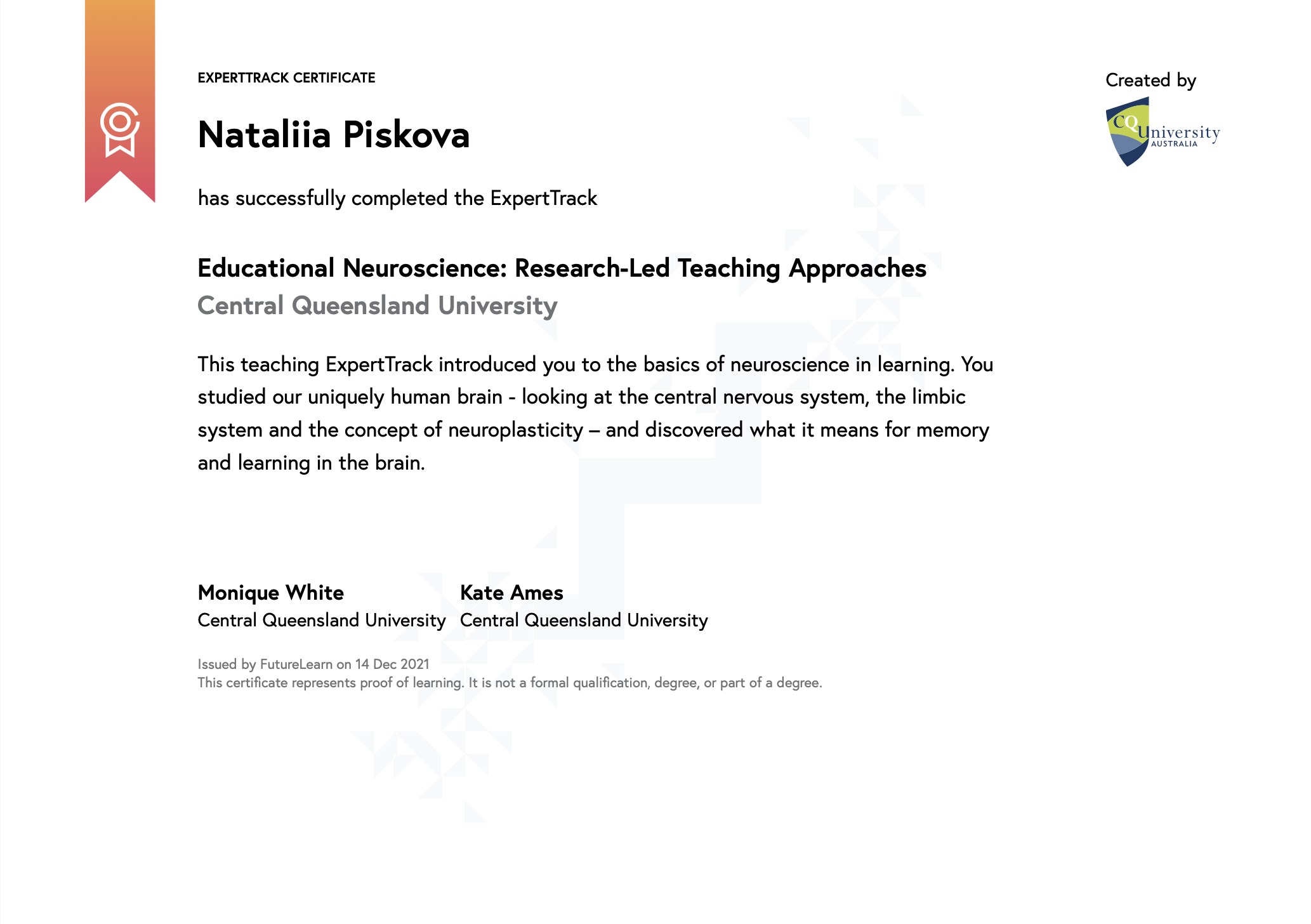
I’m an educator and applied psychologist with additional training in mindfulness, children’s yoga, and educational neuroscience.
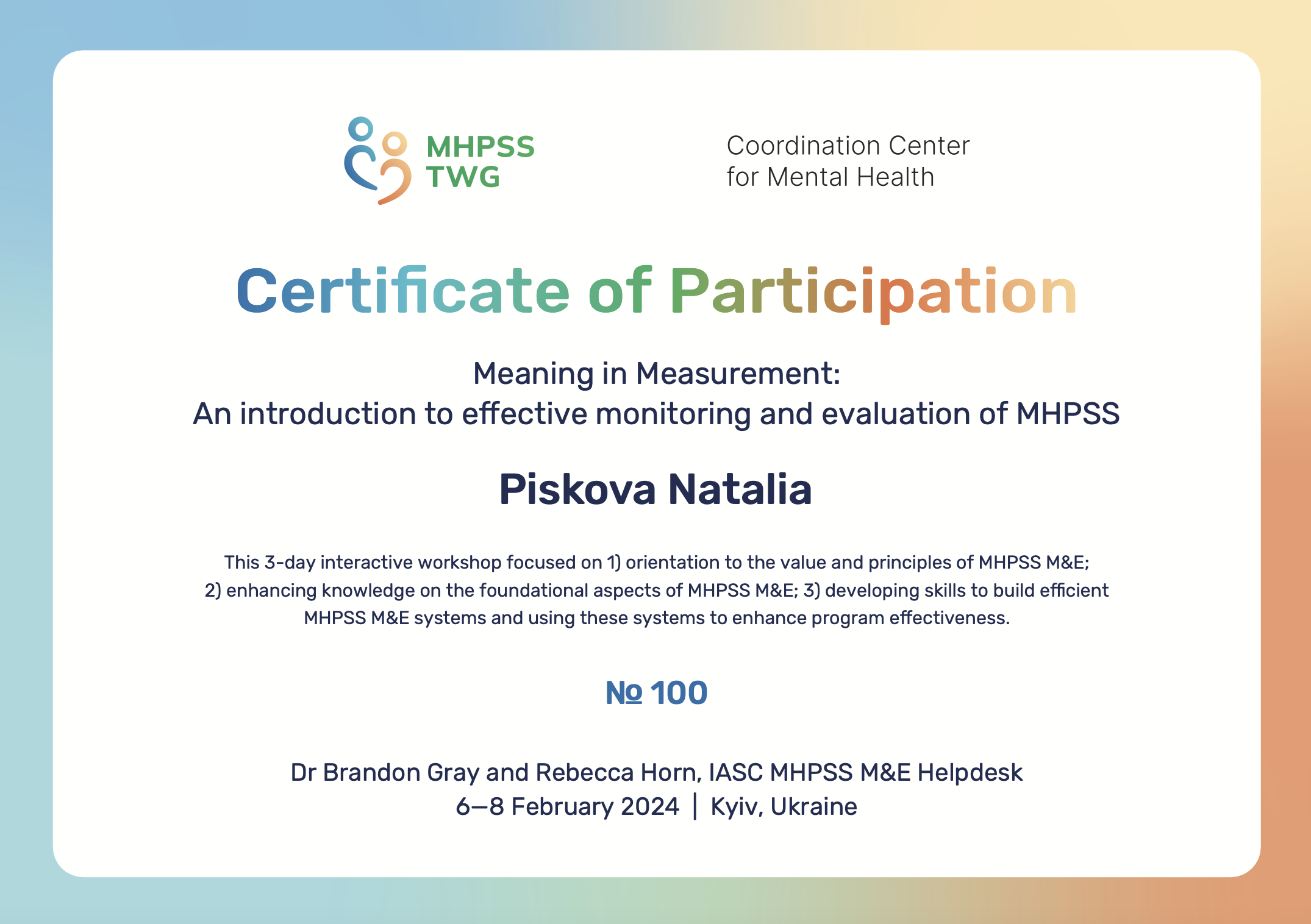
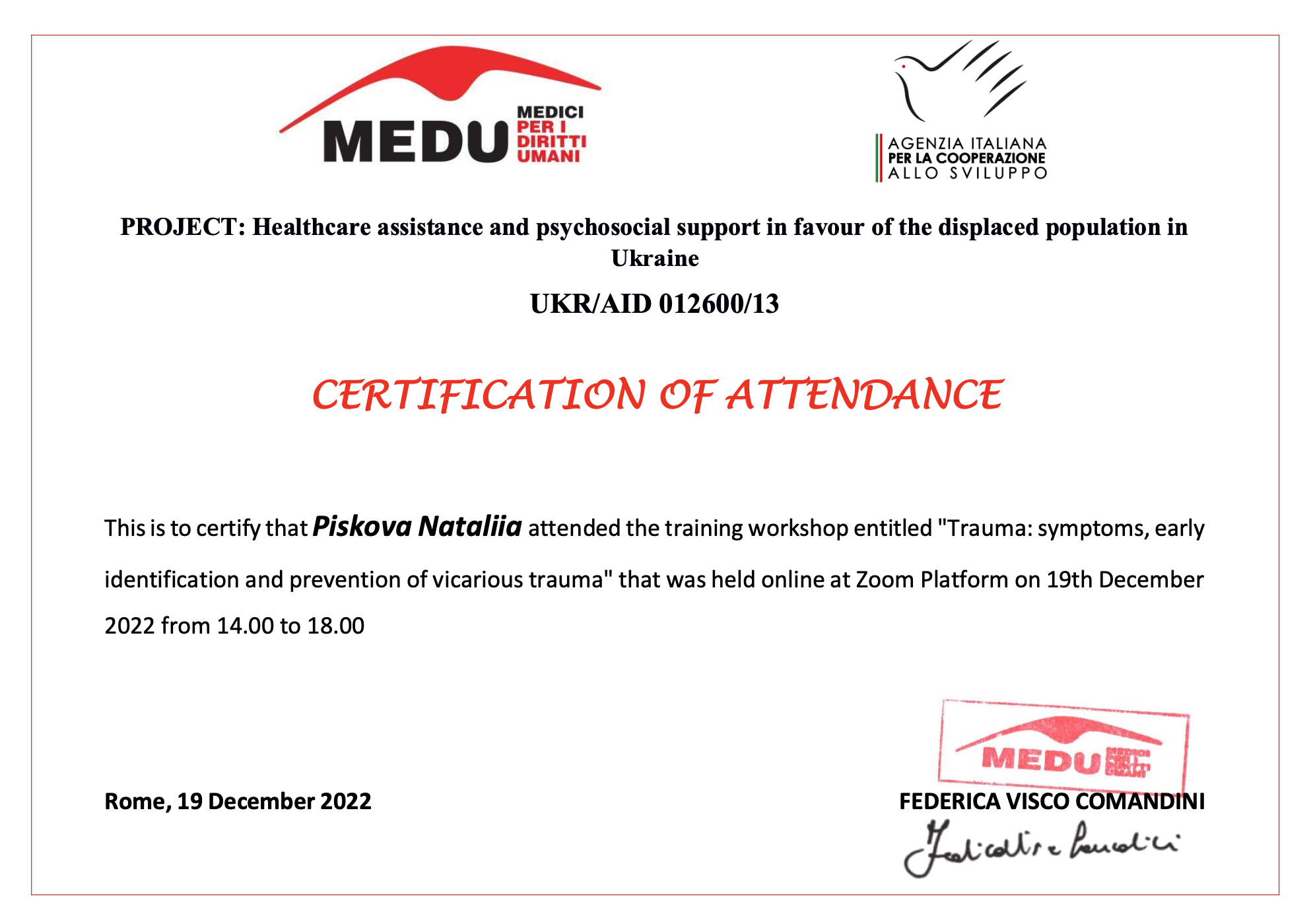
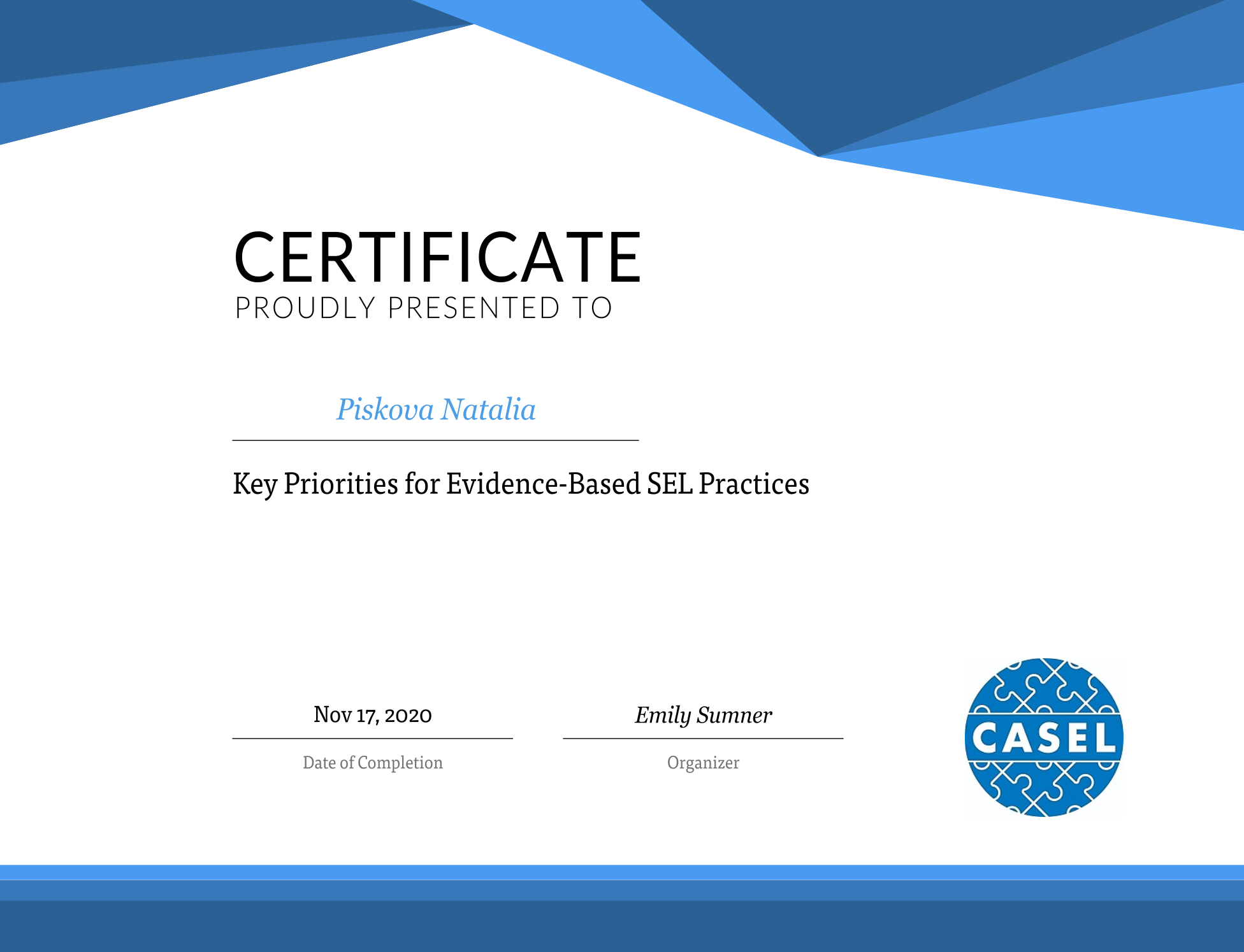
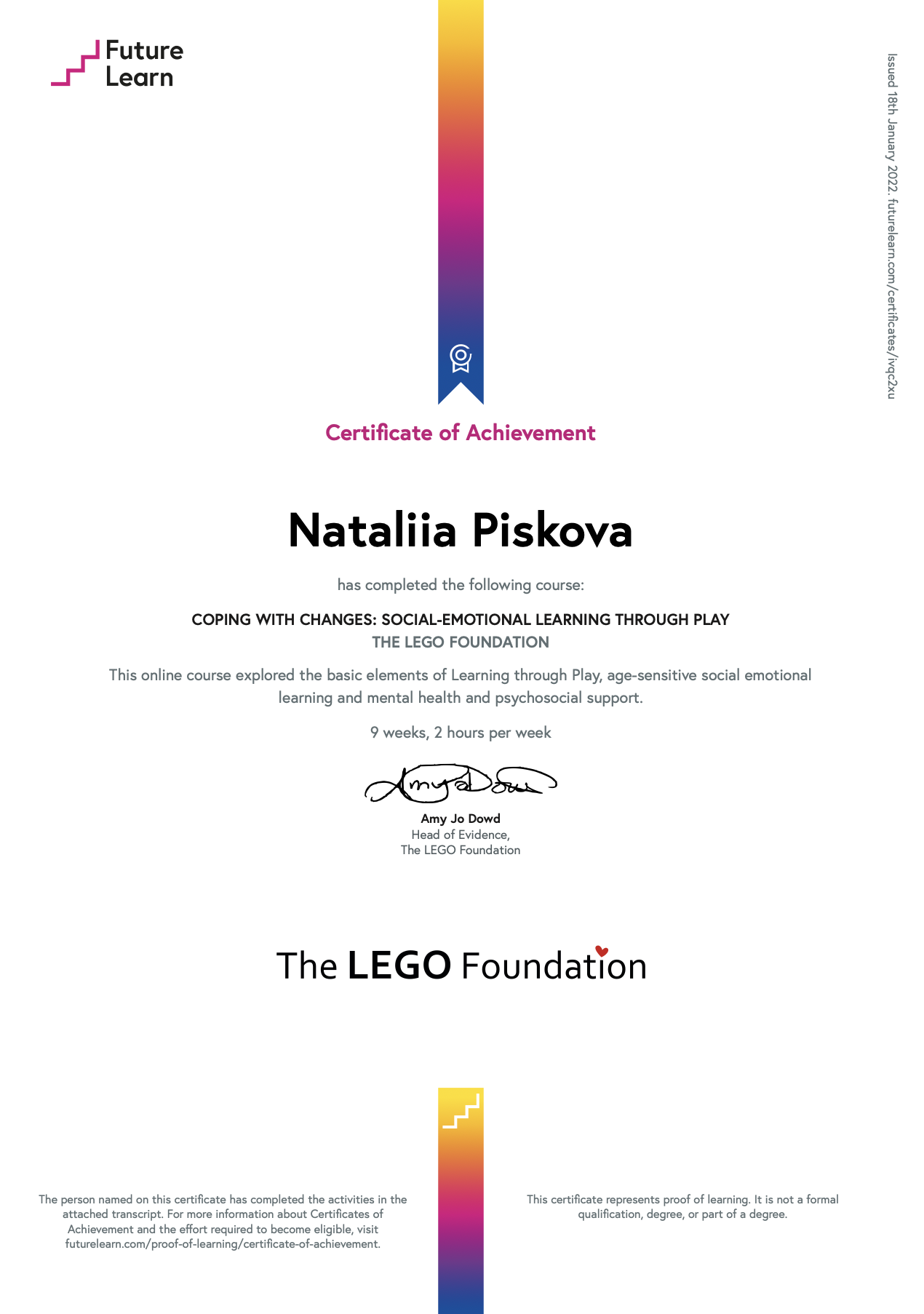
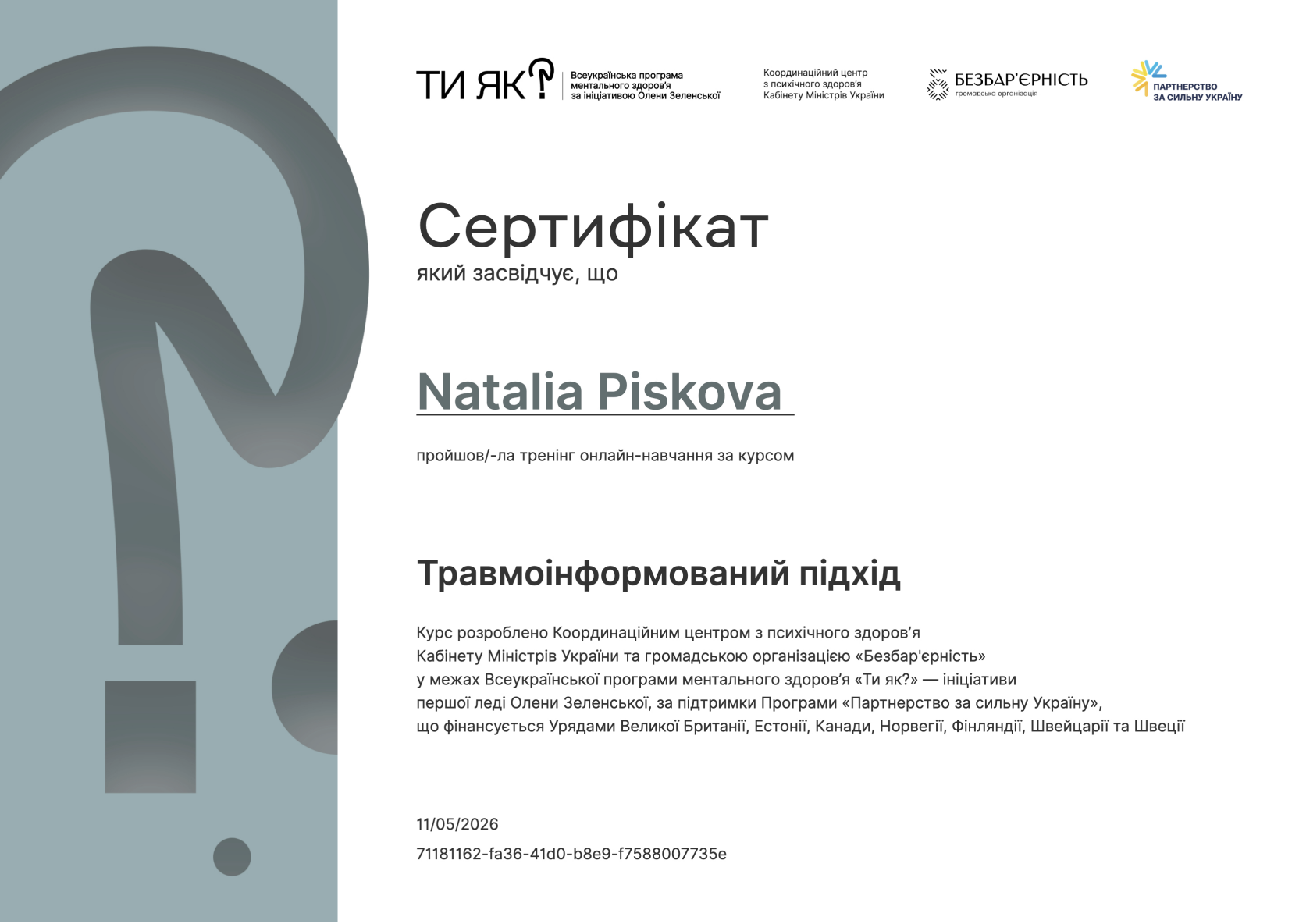
My work is grounded in MHPSS principles and the IASC framework, supported by further learning in trauma-sensitive approaches and social-emotional education.

If you’re here, you probably care about children, mental health, and the adults who stand beside them. I’m glad we’re on the same side.

You can explore how this story becomes real work in

Studio P page — or see how we might collaborate on the Work with me page.